Upcoming Webinars
.jpg)
Oct
PD Modeling for the PD Prescription

Oct
Diabetic Kidney Disease and Use of Sodium Glucose Transporter 2 Inhibitors (SGLT-2i)
Tue 13 Oct 2026
5:00 AM - 6:00 AM (1 hour)
In this course, we will describe the role of the kidneys and sodium glucose transporters (SGLTs) in glucose homeostasis. We will review diagnosis, prevalence, and current treatment options for diabetes and diabetic kidney disease (DKD) and explain the mechanism of action of SGLT2 inhibitors. We will also highlight the importance of early prescribing of SGLT2 inhibitors in CKD and DKD.
Oct
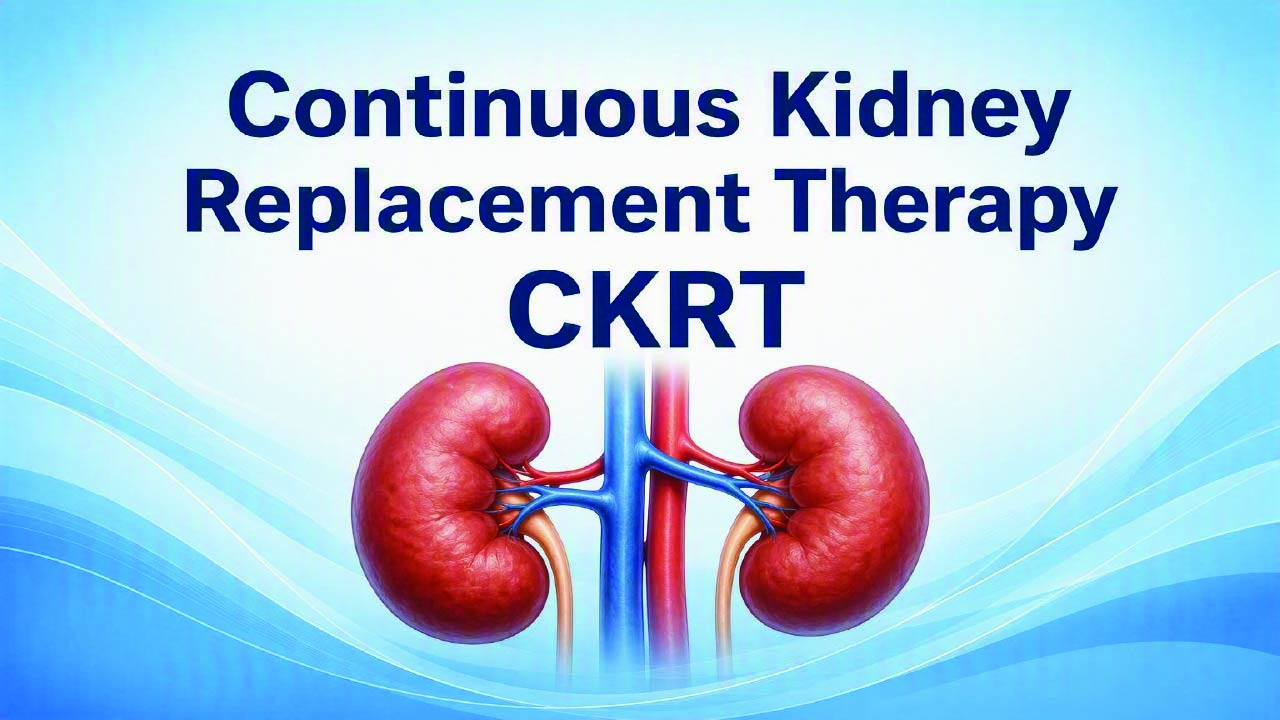
Anticoagulation in Continuous Kidney Replacement Therapy (CKRT): Part 1
Wed 14 Oct 2026
4:00 AM - 5:00 AM (1 hour)
Free
Wed 14 Oct 2026
4:00 AM - 5:00 AM (1 hour)
The ninth module in our Critical Care series is designed for healthcare professionals interested in critical care education.

Oct
Urgent Start Peritoneal Dialysis
Thu 15 Oct 2026
6:00 AM - 7:00 AM (1 hour)
In this course, we will define an optimal dialysis start, discuss how to identify urgent start dialysis patients, list appropriate situations for urgent start peritoneal dialysis (PD) and describe factors necessary for achieving successful urgent start in peritoneal dialysis (PD) patients. We will also assess chronic dialysis options for urgent starts and describe steps involved in transitioning to these therapies.
Oct
Managing Suboptimal Responsiveness to Anemia Treatment for Patients with CKD
Tue 20 Oct 2026
4:00 AM - 5:00 AM (1 hour)
Free
Tue 20 Oct 2026
4:00 AM - 5:00 AM (1 hour)
This course will provide an overview of key principles associated with the management of anemia in CKD, including factors that may contribute to suboptimal response to anemia treatment. It will also address evidenced-based approaches for patients who do not respond adequately to anemia treatment through series of clinical vignettes.
Oct
Understanding and Applying the PET
Wed 21 Oct 2026
5:00 AM - 6:30 AM (1.5 hours)
Free
Wed 21 Oct 2026
5:00 AM - 6:30 AM (1.5 hours)
This 1.5 hour course discusses the purpose of peritoneal testing, how to perform a PET, identifies common mistakes made during the PET, reviews the parameters in a PET lab report, and demonstrates how to apply PET results to a PD prescription. Case study examples are used.
Additional Support and Resources
The Global Medical Information and Education Office provides clinical support and medical information to healthcare providers for all Fresenius Medical Care products and services. On-demand eLearning courses are also available from AREP. Please use the links below to contact us.