Skip to Main Content
Search
loginLogin
Upcoming Webinars
On-Demand
Course Catalog
Contact Us
Create an Account

Course Catalog

This page lists all webinars by category. Click on each course for course description and upcoming dates.

Disease State Education
Dosing in CKRT: Part 1
The sixth module in our Critical Care series is designed for healthcare professionals interested in critical care education.

1 hour

Free

No Scheduled Dates

This replay of a recorded in-depth module, presented by Dr. Charuhas V. Thakar, Professor of Medicine and Director of Division of Nephrology at the University of Cincinnati, Chicago, IL, offers a detailed exploration of Continuous Kidney Replacement Therapy (CKRT). 

You will learn about:

  • differentiating between various CKRT modalities, such as continuous venovenous hemofiltration (CVVH), continuous venovenous hemodialysis (CVVHD), and continuous venovenous hemodiafiltration (CVVHDF)
  • factors influencing the timing of CKRT initiation and the duration of therapy, supported by the latest research and clinical guidelines
  • how to assess these factors in the context of individual patient needs and clinical scenarios, enhancing their ability to make evidence-based decisions in CKRT management

This module aims to improve understanding and application of CKRT principles to optimize patient outcomes. Included in the presentation will be interactive polling questions and a chance to engage with critical care experts during a live Q&A session.

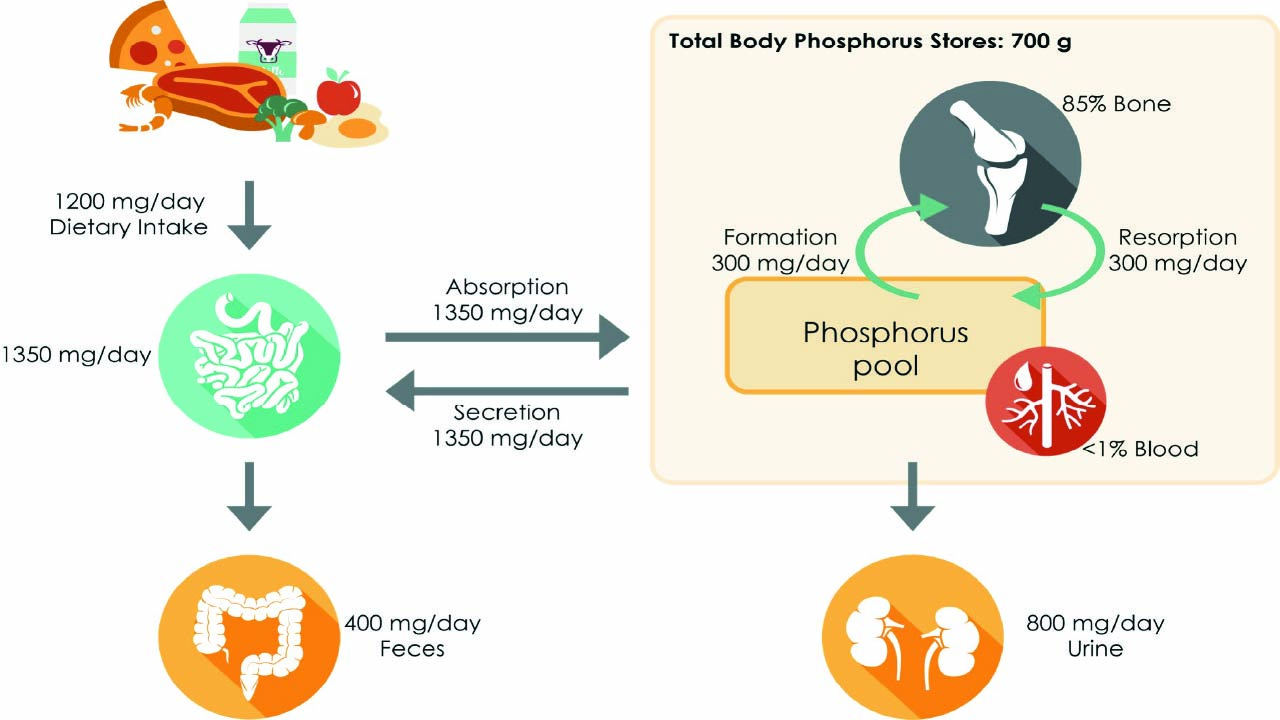
Treatment of Hyperphosphatemia and MBD
Pharmacological Intervention and Outcomes in Hyperphosphatemia and MBD (Mineral Bone Disease)

1 hour

Free

No Scheduled Dates

This presentation describes the characteristics of phosphate binders and their modes of action, the clinical effects of phosphate binders, how vitamin D and calcimimetics can be used in the treatment of secondary hyperparathyroidism and discusses the barriers to CKD-MBD management.

Fluid Management in Kidney Disease

1 hour

Free

No Scheduled Dates

This is an introductory course on fluid management in healthy and kidney disease states and discusses the consequences of fluid overload in kidney disease, describes fluid management approaches, and the reviews the principles and application of tools for measuring and evaluating fluid overload in kidney disease patients.

Reading of a Scientific Article- Part 2: Statistical Considerations

1 hour

Free

No Scheduled Dates

In the second part of this series, we will review statistical considerations for analyzing data arising from scientific articles. This 1-hour course will cover key facts regarding the research question and sample size, study variables, types of medical studies, measures of frequency and association, and the concept of the p-value.

Management of the Failing Kidney Allograft and Successful Transition of Care

1 hour

Free

No Scheduled Dates

This course offers a comprehensive review of managing patients with failing kidney allografts, emphasizing the critical need for improved care transitions. It explores the motivation behind enhancing transitions of care, examines current management practices and their challenges, and identifies opportunities for improvement.

Reading of a Scientific Article - Part 1: General Aspects

1 hour

Free

No Scheduled Dates

Scientific articles are an important medium for disseminating scientific knowledge, but it is important for scientists and healthcare professionals to know how to critically read and appraise a publication for impact and quality of evidence. This 1-hour course will cover the types and structure of scientific publications, the publication and peer-review process, questions to ask when reading and analyzing the content of an article, and the ethical responsibilities of producing and using publications.

Significance of Serum Albumin as a Clinical Indicator in CKD and ESKD

1 hour

Free

No Scheduled Dates

This course provides a comprehensive overview on the physiology and functional importance of serum albumin, discusses the pathophysiology and methods of evaluation of hypoalbuminemia in CKD and ESKD. It reviews albumin loss associated with different dialysis modalities and the effect of hypoalbuminemia on clinical outcomes.

Good Nutritional Practices for Hemodialysis Patients

1 hour

Free

View Upcoming Dates (1)
This course will provide an overview on nutritional disorders and challenges of hemodialysis patients. It will summarize nutritional monitoring & assessment with 5 key Nutritional Practices for dialysis patients. It will also discuss special recommendations for dialysis patients with diabetes.
Diabetes Mellitus Treatment in Hemodialysis Patients
This recorded webinar, presented by Dr. Luis Juncos, provides an overview of diabetes mellitus and its unique considerations in hemodialysis patients. Participants will learn about key glycemic monitoring targets for individuals with diabetes and chronic kidney disease (CKD) and explore a holistic approach to improving patient outcomes.

1 hour

Free

On Demand Webinar

This recorded webinar, presented by Dr. Luis Juncos, provides an overview of diabetes mellitus and its unique considerations in hemodialysis patients. Participants will learn about key glycemic monitoring targets for individuals with diabetes and chronic kidney disease (CKD) and explore a holistic approach to improving patient outcomes. Additionally, the session will highlight advancements in diabetic medicine and future research directions.


PLEASE NOTE: CE credits not available for viewing this recorded webinar.

The Kidneys in Health and Disease
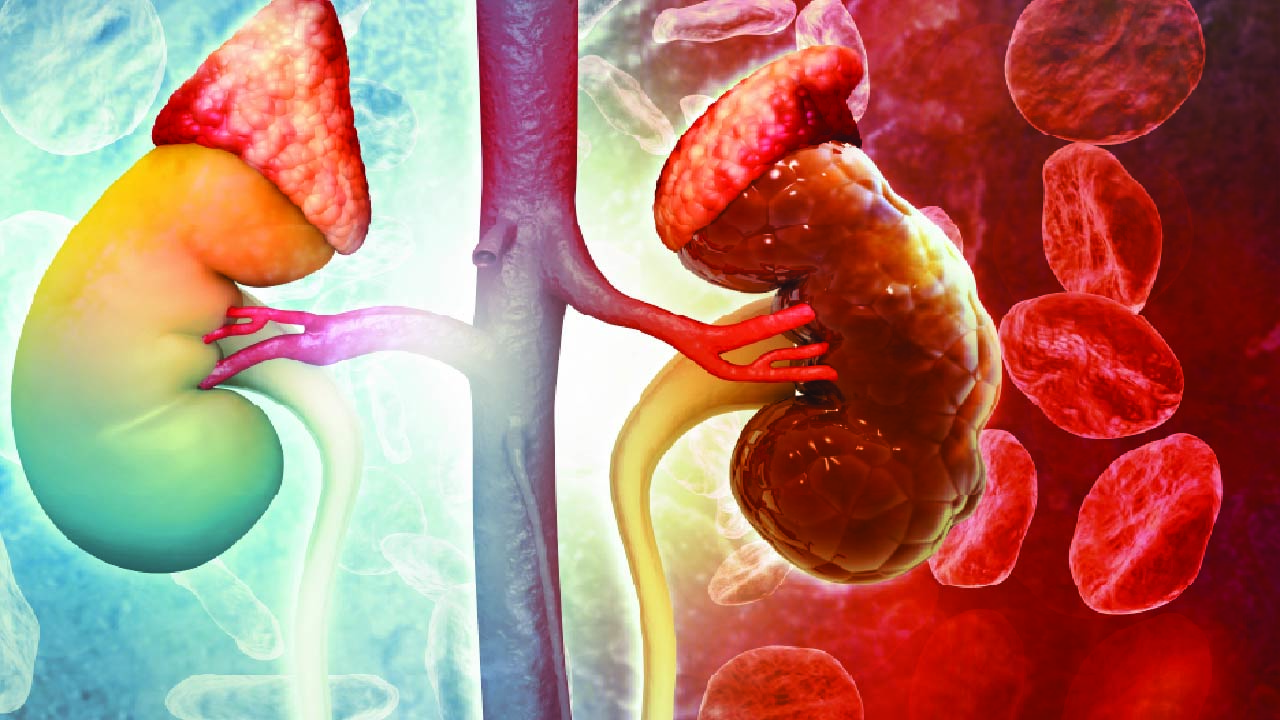
This course will review renal anatomy and nephron structure, principles of renal physiology, Acute Kidney Injury (AKI) prevalence and classification, Chronic Kidney Disease (CKD) prevalence and classification.

1 hour

Free

View Upcoming Dates (1)
This course will review renal anatomy and nephron structure, principles of renal physiology, Acute Kidney Injury (AKI) prevalence and classification, Chronic Kidney Disease (CKD) prevalence and classification.
A Practical Approach to Sodium Management in Dialysis Patients
This course provides a comprehensive overview of sodium management in dialysis patients. We will review the current understanding of sodium distribution and balance, sodium toxicity, as well as guidelines for sodium management in PD and HD patients.

1.5 hours

Free

View Upcoming Dates (1)
This course provides a comprehensive overview of sodium management in dialysis patients. We will review the current understanding of sodium distribution and balance, sodium toxicity, as well as guidelines recommendations for sodium management in PD and HD patients.
Urgent Start Peritoneal Dialysis

1 hour

Free

No Scheduled Dates

In this course, we will define an optimal dialysis start, discuss how to identify urgent start dialysis patients, list appropriate situations for urgent start peritoneal dialysis (PD) and describe factors necessary for achieving successful urgent start in peritoneal dialysis (PD) patients. We will also assess chronic dialysis options for urgent starts and describe steps involved in transitioning to these therapies.

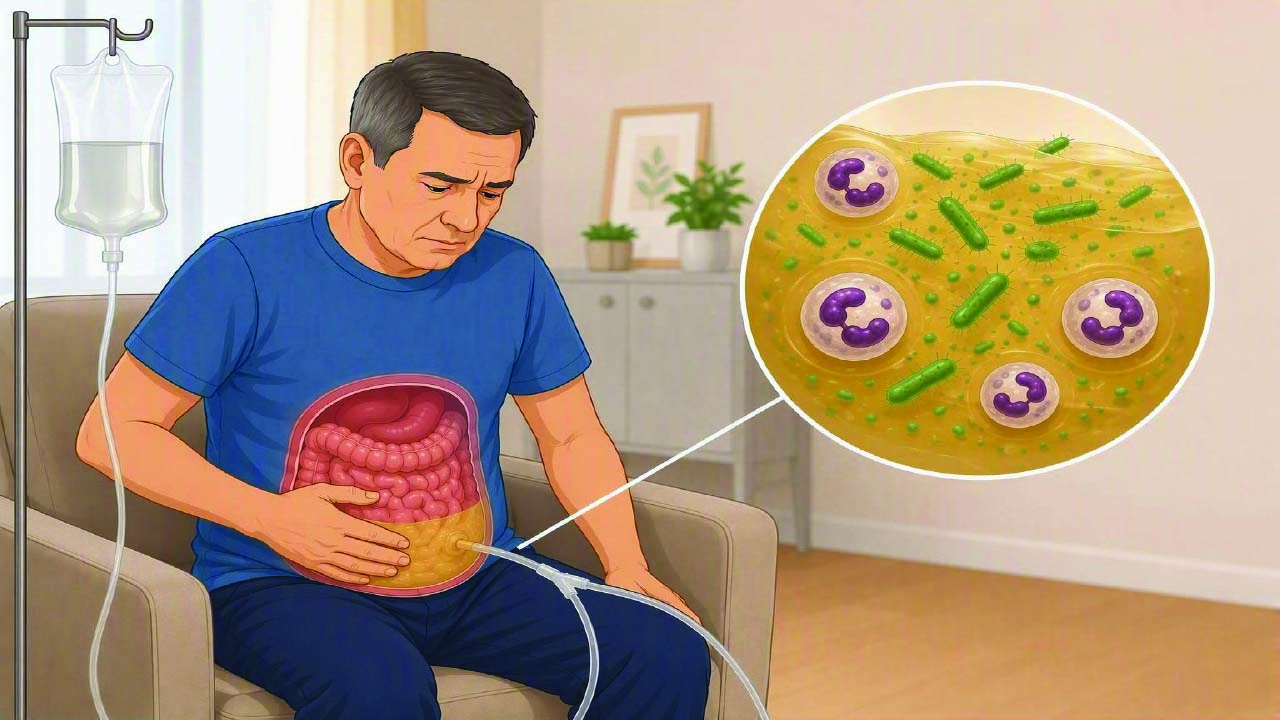
Prevention and Management of Infectious Peritoneal Dialysis Complications: Focus on Peritonitis

1.5 hours

Free

No Scheduled Dates

This presentation reviews exit-site infections and peritonitis in PD patients, including definition and diagnosis, treatment, and guideline recommendations.

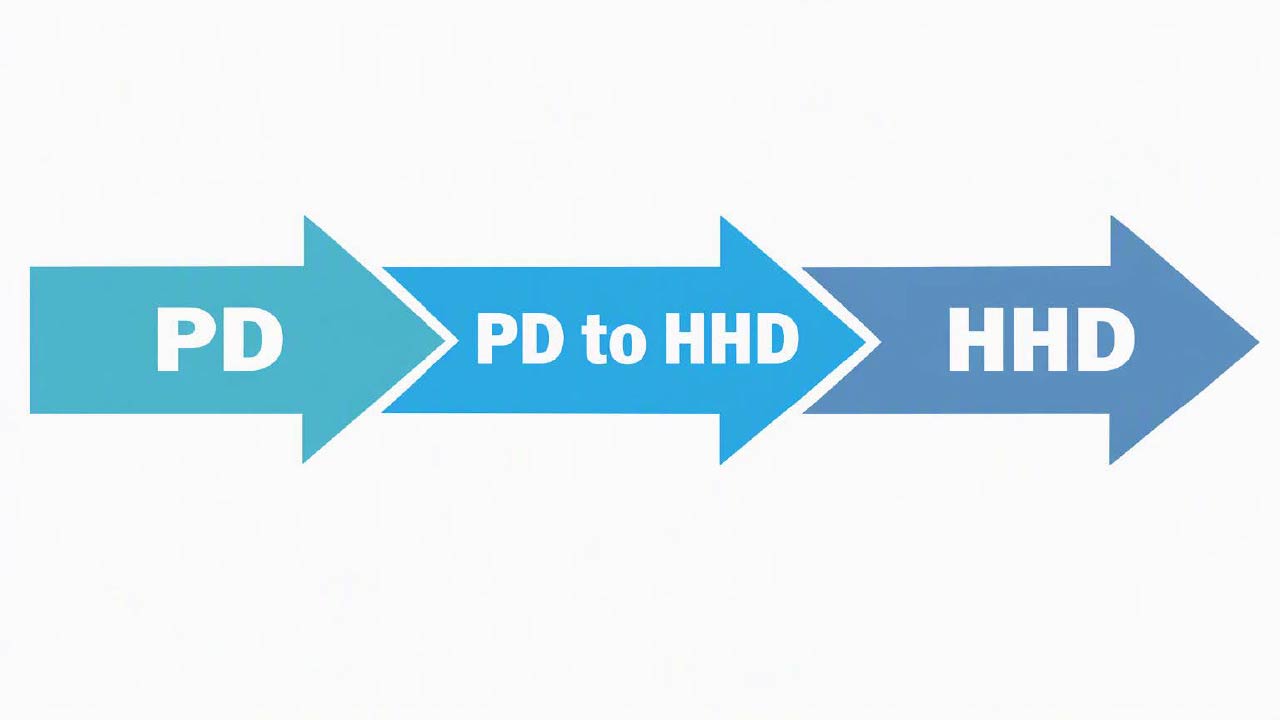
HHD Part 2: Effect of Increasing Frequency and Duration, Benefits, and Risks

1 hour

Free

No Scheduled Dates

The second of three parts in our new home hemodialysis (HHD) webinar series will describe adequacy measures and guidelines for conventional and more frequent hemodialysis, review the effects of increasing frequency and duration of hemodialysis treatments, and discuss the associated benefits and risks of performing more frequent hemodialysis at home.

HHD Part 3: Patient Eligibility, Shared Decision-Making, and Training Fundamentals
The last of the three part home hemodialysis (HHD) webinar series will review strategies to support patients choosing home hemodialysis.

1 hour

Free

View Upcoming Dates (1)
The last of the three part home hemodialysis (HHD) webinar series will review strategies to support patients choosing home hemodialysis, including how to evaluate patient eligibility for HHD and remove modifiable barriers to home treatment; how to talk to patients about their treatment options, engage in shared decision-making, and deliver person-centered care; and will introduce elements of successful patient training to promote success at home.
Home Hemodialysis: The Basics

1 hour

Free

No Scheduled Dates

Home hemodialysis is a valuable alternative to in center treatment for patients that prefer dialysis at home. This course provides an introduction to types of home hemodialysis prescriptions, technical requirements, patient selection and training. It further discusses the benefits as well as the potential complications of home hemodialysis.

Practical Guide to Delivering High-volume Hemodiafiltration

1 hour

Free

No Scheduled Dates

This course provides an introduction to high-volume hemodiafiltration (HDF) and the motivation for achieving high convection volumes. Then, the patient-, technical-, and prescription-dependent factors that can affect the convection volume achieved with HDF are discussed. Finally, an example of a high-volume HDF prescription and proposed steps to increase the convection volumes for adult prevalent patients with mature vascular access are discussed.

Introduction to Continuous Kidney Replacement Therapy (CKRT)

1.5 hours

Free

No Scheduled Dates

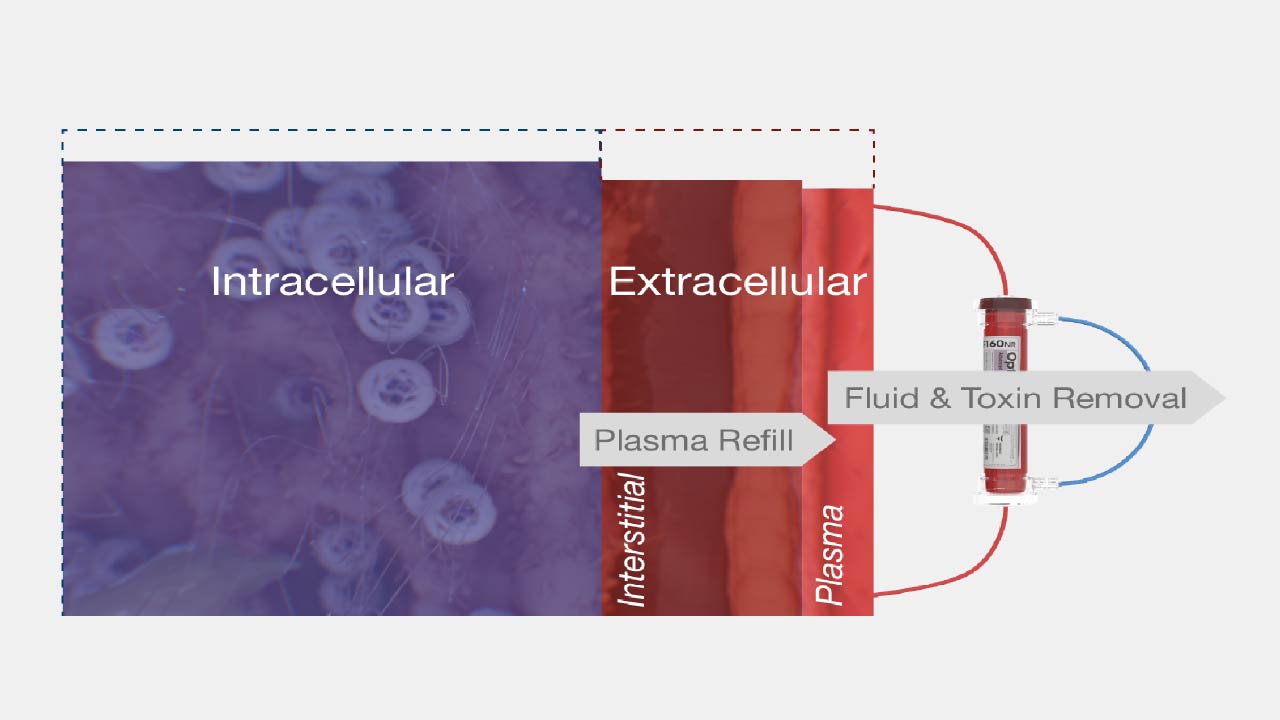
There are multiple modalities of renal replacement therapy, and selection of the appropriate option is often dictated by multiple factors, including the nature and severity of the underlying kidney impairment and the hemodynamic stability of the patient. This educational activity is designed to provide an introductory overview of continuous kidney replacement therapy (CKRT), which is commonly used in the critical care setting. Several fundamental concepts will be addressed, including basics of kidney anatomy and function, options for renal replacement in the critical care setting, fundamental principles governing different CKRT modalities, and a review of potential clinical challenges associated with CKRT. This is an opportunity for clinicians to enhance their familiarity with the terminology of CKRT and gain confidence in the understanding of its goals, mechanisms of action, and circuit components.

Online Generation of Sterile Fluid for Hemodiafiltration

1 hour

Free

No Scheduled Dates

This course describes the history and practical advantages of on-line fluid generation. The technical requirements that are needed to produce various qualities of fluid on-line are then discussed followed by a review of the safety and efficacy of on-line generated fluids. Finally, saline and substitution fluid are compared, and potential prescription changes associated with the use of on-line generated fluids are described.

HHD Part 1: Current Trends, Prescriptions, and General Considerations

1 hour

Free

View Upcoming Dates (1)
The first of three parts in our new home hemodialysis (HHD) webinar series will introduce you to the fundamental elements of HHD, including a review of current trends in HHD utilization, an introduction to the components of an HHD prescription, and a discussion of important considerations for HHD therapy – such as vascular access, physical requirements, and remote monitoring and support.
Diabetic Kidney Disease and Use of SGLT2 Inhibitors

1.5 hours

Free

No Scheduled Dates

In this course, we will describe the role of the kidneys and sodium glucose transporters (SGLTs) in glucose homeostasis. We will review diagnosis, prevalence, and current treatment options for diabetes and diabetic kidney disease (DKD) and explain the mechanism of action of SGLT2 inhibitors. We will also highlight the importance of early prescribing of SGLT2 inhibitors in CKD and DKD.

CAPD vs APD The right prescription, for the right patient, at the right time

1 hour

Free

View Upcoming Dates (1)
This presentation will feature a discussion around the use of Continuous Ambulatory Peritoneal Dialysis (CAPD), including how increasing utilization of CAPD can potentially improve patient outcomes. Using best practice guidelines as guidance, the speaker will offer practical approaches to prescribing CAPD using patient-centered principles.
CKRT in the Critical Care and Acute Settings: Overview Part 3
The fifth module in our Critical Care series is designed for healthcare professionals interested in critical care education.

1 hour

Free

No Scheduled Dates

This replay of a recorded targeted module, led by Dr. Roger Rodby, Professor of Medicine Division of Nephrology Rush University Medical Center, Chicago, IL, delves into critical components of Continuous Kidney Replacement Therapy (CKRT).

This module provides:

  • an exploration of the optimal timing for initiating CKRT, informed by current literature and clinical guidelines
  • a foundational understanding of CKRT anticoagulation strategies, including the mechanisms, choices, and management of anticoagulants to prevent circuit clotting and optimize therapy
  • a review of various fluid options used in CKRT, discussing their implications for patient management and therapy efficacy

This integrated approach aims to equip critical care clinicians with the knowledge and skills necessary for effective CKRT implementation and management in diverse clinical scenarios. Included in the presentation will be interactive polling questions and a chance to engage with critical care experts during a live Q&A session.

PD Essentials
PD Essentials
This course introduces the principles of peritoneal dialysis (PD).

1.5 hours

Free

View Upcoming Dates (1)
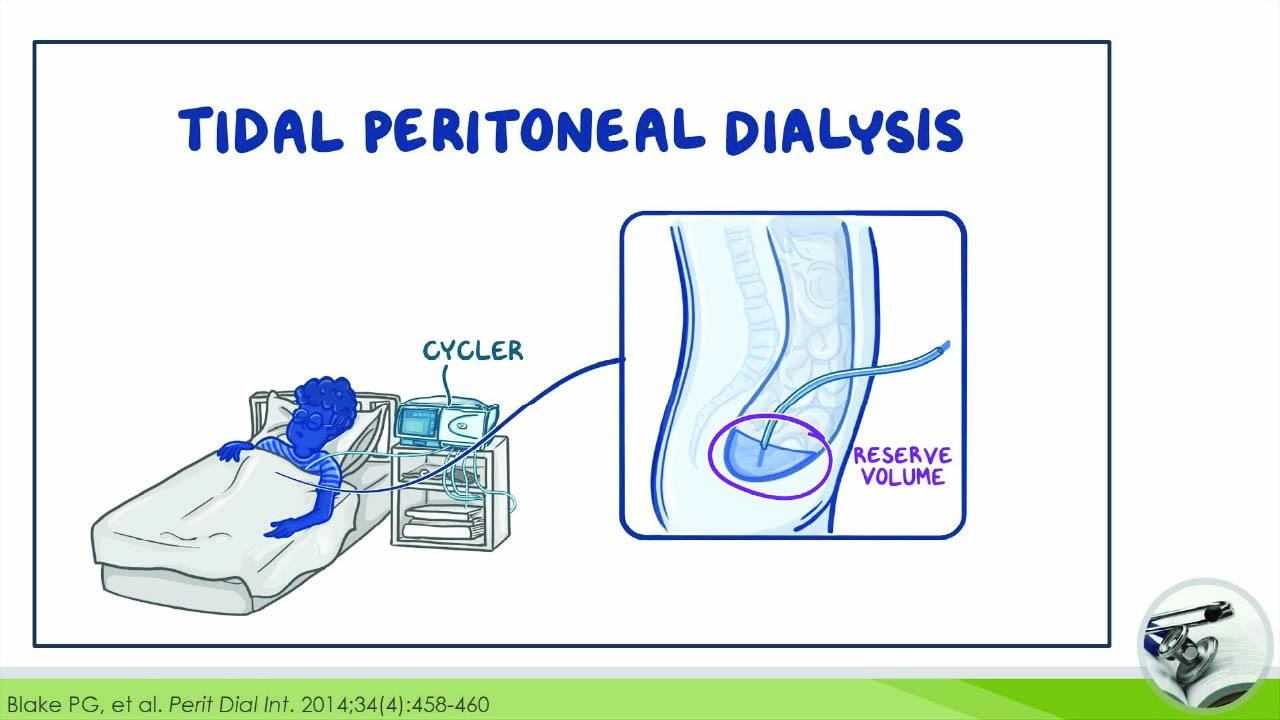
This course introduces the principles of peritoneal dialysis (PD). It reviews the essential components of PD such as the anatomy of the peritoneum, the concepts behind solute and fluid transport, patient selection criteria and the components of a successful PD program.
Incremental Peritoneal Dialysis
This presentation will discuss clinical considerations and application of incremental peritoneal dialysis.

1 hour

Free

View Upcoming Dates (2)
This presentation will discuss clinical considerations and application of incremental peritoneal dialysis, including prescribing with an emphasis on goal-directed therapy, monitoring and intensification of the incremental prescription, and clinical outcomes of the therapy.
Understanding and Applying the PET
This 1.5 hour course discusses the purpose of peritoneal testing, how to perform a PET, identifies common mistakes made during the PET, reviews the parameters in a PET lab report, and demonstrates how to apply PET results to a PD prescription.

1.5 hours

Free

View Upcoming Dates (1)
This 1.5 hour course discusses the purpose of peritoneal testing, how to perform a PET, identifies common mistakes made during the PET, reviews the parameters in a PET lab report, and demonstrates how to apply PET results to a PD prescription. Case study examples are used. 
SGLT-2 Inhibitors in PD: A Promising New Frontier

1 hour

Free

No Scheduled Dates

SGLT-1 Inhibitors in Peritoneal Dialysis: A Promising New Frontier

Anticoagulation Use in the AKI Patient

1 hour

Free

No Scheduled Dates

Many critically ill patients admitted to Intensive Care Units (ICUs) experience acute kidney injury (AKI) and require kidney replacement therapy (KRT). Whether therapy is continuous (CKRT) or intermittent (iHD), various anticoagulants may be needed to prevent circuit clotting and reduction in delivered dose of therapy. This webinar is designed to provide a fundamental understanding of the types of anticoagulation used, rationale for their use, protocols applied in different modalities, complications experienced, and overall management in patients with acute kidney injury in the ICU.

Use and Application of Hemodiafiltration
This presentation is designed to provide a comprehensive overview of the fundamental concepts in hemodiafiltration (HDF).

1 hour

Free

View Upcoming Dates (1)
This presentation is designed to provide a comprehensive overview of the fundamental concepts in hemodiafiltration (HDF). It describes the technical requirements for HDF, discusses a potential HDF prescription, and reviews the prevalence and clinical outcomes of HDF.
Managing Suboptimal Responsiveness to Anemia Treatment for Patients with CKD

1 hour

Free

No Scheduled Dates

This course will provide an overview of key principles associated with the management of anemia in CKD, including factors that may contribute to suboptimal response to anemia treatment. It will also address evidenced-based approaches for patients who do not respond adequately to anemia treatment through series of clinical vignettes.

Anticoagulation Options in Continuous Kidney Replacement Therapy (CKRT)

1 hour

Free

No Scheduled Dates

The webinar covers the indications and contraindications for various anticoagulants, including no anticoagulant, heparin, citrate, and others. Attendees will gain insights into the dosing protocols for each anticoagulant and understand the potential complications associated with their use. The course emphasizes practical considerations for selecting and managing anticoagulation therapy based on patient-specific factors and clinical scenarios.

Non-infectious Complications of Peritoneal Dialysis

1.5 hours

Free

No Scheduled Dates

This course will define PD catheter complications and encapsulated peritoneal sclerosis, identify intra-abdominal pressure complications in PD, and describe other PD complications.

Diabetic Kidney Disease and Use of Sodium Glucose Transporter 2 Inhibitors (SGLT-2i)
In this course, we will describe the role of the kidneys and sodium glucose transporters (SGLTs) in glucose homeostasis. We will review diagnosis, prevalence, and current treatment options for diabetes and diabetic kidney disease (DKD) and explain the mechanism of action of SGLT2 inhibitors. We will also highlight the importance of early prescribing of SGLT2 inhibitors in CKD and DKD.

1 hour

Free

View Upcoming Dates (1)
In this course, we will describe the role of the kidneys and sodium glucose transporters (SGLTs) in glucose homeostasis. We will review diagnosis, prevalence, and current treatment options for diabetes and diabetic kidney disease (DKD) and explain the mechanism of action of SGLT2 inhibitors. We will also highlight the importance of early prescribing of SGLT2 inhibitors in CKD and DKD.
Management and Troubleshooting of ECMO Complications

1 hour

Free

No Scheduled Dates

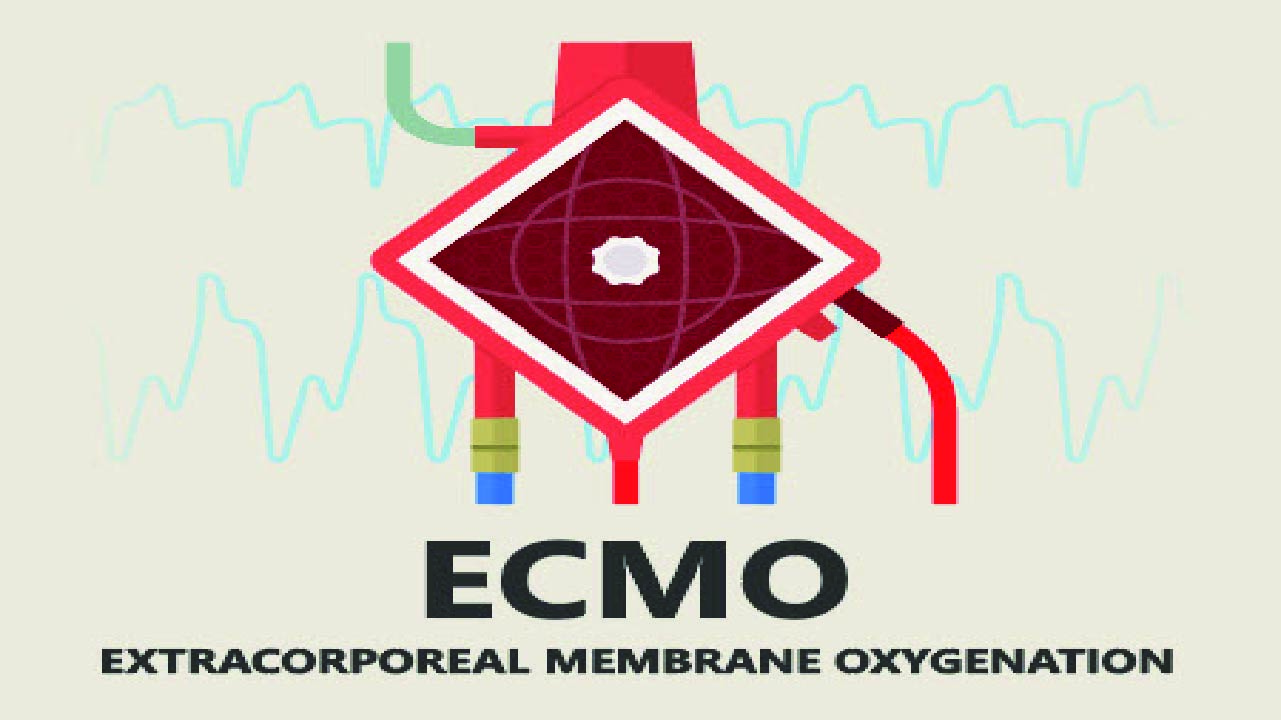
ECMO has been established as lifesaving therapy for the most severe cases of respiratory and cardiac failure. It remains however a highly invasive therapy bringing about considerable risk for complications. This lecture will discuss the spectrum of possible complications on ECMO, their recognition and management as well as strategies to enhance safety. Bleeding, clotting, hypoxia, and mechanical and device related complications as well as troubleshooting are discussed.

Sepsis-associated Acute Kidney Injury (AKI)

1 hour

Free

No Scheduled Dates

Sepsis-induced Acute Kidney Injury (AKI) occurs in 40%-50% of patients with sepsis, increasing their risk of mortality. This insightful webinar will discuss, sepsis induced AKI and providing Continuous Kidney Replacement Therapy (CKRT) care while in the ICU.

Person-Centered Approach to Home Dialysis Growth

1 hour

Free

No Scheduled Dates

The objective of this webinar is to inform health care providers about current trends in home dialysis utilization and its outcomes. The session will also identify strategies to increase the growth of home dialysis by focusing on what matters most to patients and how to achieve these goals.

Vascular Access in CKRT
The eighth module in our Critical Care series is designed for healthcare professionals interested in critical care education.

1 hour

Free

No Scheduled Dates

This replay of a recorded module, led by Dr. Luis A Juncos Senior Director Critical Care, Global Medical Office/Medical Affairs, Fresenius Medical Care, focuses on the critical aspects of catheter management in Kidney Replacement Therapy (KRT).

You will learn about:

  • characteristics of different catheters used in KRT, including their design, length, and size based on the insertion site
  • how to differentiate between catheter dysfunction and failure, understanding the implications for therapy efficacy and patient outcomes
  • how access characteristics affect circuit life, and explores the complications associated with decreased circuit longevity
  • guidance on assessing catheter tip placement using chest X-rays, highlighting markers of optimal positioning

This comprehensive review aims to enhance practical skills in catheter management and troubleshooting, improving overall KRT effectiveness and patient safety. Included in the presentation will be interactive polling questions and a chance to engage with critical care experts during a live Q&A session.

Vascular Access in Home Hemodialysis (HHD)

1 hour

Free

No Scheduled Dates

This webinar will cover important aspects of vascular access in home hemodialysis, with a review of available methods, how to prepare patients for managing and evaluating their vascular access, and how to prevent and resolve access complications. Patient case studies will also be discussed to support learning.

Dosing in CKRT: Part 2
The seventh module in our Critical Care series is designed and healthcare professionals interested in critical care education.

1 hour

Free

No Scheduled Dates

This replay of a recorded advanced module, delivered Dr. Charuhas V. Thakar, Professor of Medicine and Director of Division of Nephrology at the University of Cincinnati, provides a comprehensive review of Continuous Kidney Replacement Therapy (CKRT) with a focus on dosing, complications, and nutritional aspects.

You will learn about:

  • current dosing recommendations based on recent literature, offering evidence-based guidelines for effective CKRT management
  • common and serious complications associated with CKRT, including strategies for prevention and management
  • nutritional considerations critical to CKRT patients, discussing how to balance dietary needs with therapy requirements

By integrating these key areas, the module aims to enhance clinical skills and decision-making, ultimately improving patient outcomes in CKRT. Included in the presentation will be interactive polling questions and a chance to engage with critical care experts during a live Q&A session.

Ins and Outs: A CKRT Literature Review

1 hour

Free

No Scheduled Dates

Management of critically ill patients with acute kidney injury (AKI) can be an incredibly complex task, and many of these patients will require therapeutic support with kidney replacement therapy. Current KDIGO guidelines suggest using continuous kidney replacement therapy (CKRT) for patients with AKI who are hemodynamically unstable. To optimize outcomes in this patient population, careful consideration of multiple patient- and disease-specific factors is essential. Clinical evidence pertaining to patient management continues to evolve at a rapid pace, and it may be challenging for busy clinicians to keep up with the latest clinical evidence. This webinar is designed to assist nurses, physicians, and other clinicians by providing a top-level summary of key recent publications pertaining to fluid management, medication dosing, and nutritional support for patients with AKI who require CKRT. It will also place this evidence in the context of contemporary treatment paradigms, and you will have the opportunity to ask questions regarding the presented materials.

Fundamentals of Therapeutic Plasma Exchange (TPE)

1 hour

Free

No Scheduled Dates

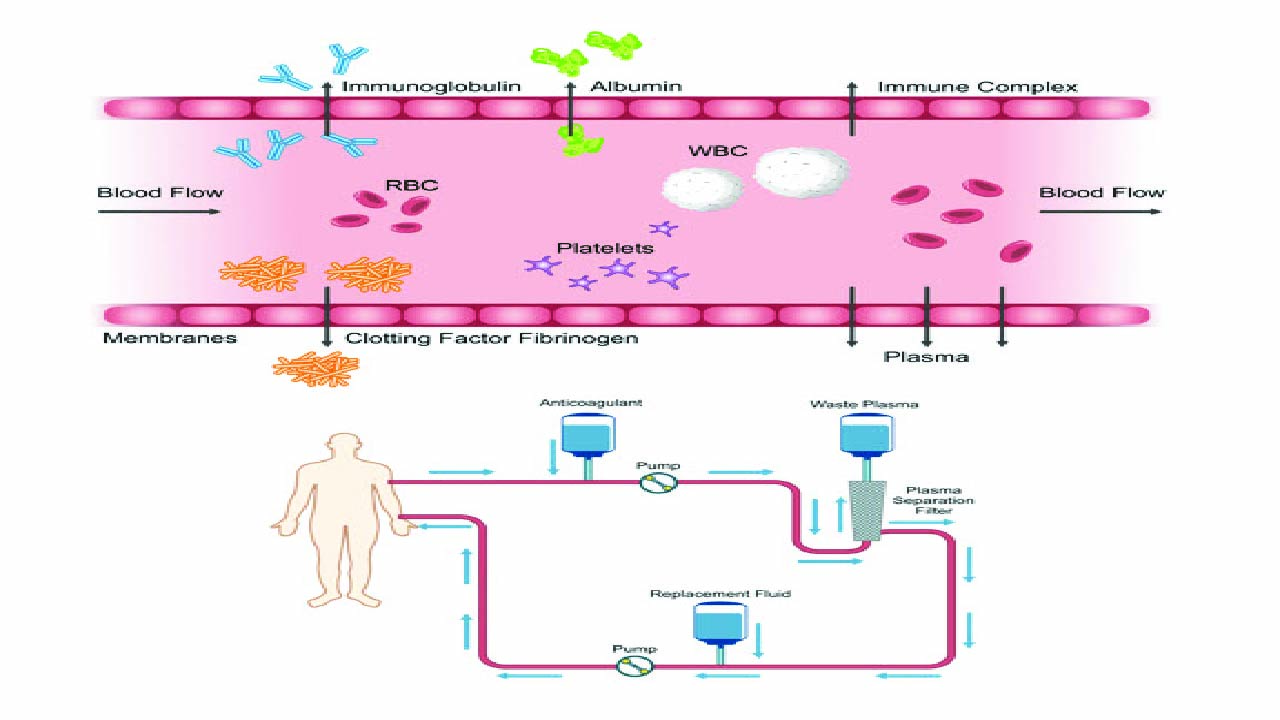
Therapeutic plasma exchange, or TPE, is a component of the management of a wide range of clinical conditions. TPE involves the separation and removal of plasma, which often contains pathologically relevant substances, from the other components of blood. This removed volume is accounted for with the infusion of a replacement solution that also has the potential to add individual components that may be absent or deficient in the patient. TPE may be provided with different techniques, and this course has been designed to educate providers on the core aspects of TPE procedures, common clinical indications for this therapeutic approach, potential complications of TPE, and other clinical considerations such as anticoagulation management.

Peritoneal Dialysis: Is it Time to Reconsider the Role of CAPD?
In this webinar, participants will obtain an overview both types of peritoneal dialysis (PD).

1 hour

Free

View Upcoming Dates (1)
Choosing the superior modality between Ambulatory Peritoneal Dialysis (APD) and Continuous Ambulatory Peritoneal Dialysis (CAPD) remains a dilemma not yet been resolved. In this webinar, participants will obtain an overview both types of peritoneal dialysis (PD), learn how the PD prescription can be optimized, review the current situation of CAPD, and discuss factors for growing a home dialysis program.
Citrate - CKRT in Clinical Practice - What Residents Should Be Aware Of
This webinar gives a practical overview on the application of citrate-anticoagulated CKRT in clinical practice.

1 hour

Free

View Upcoming Dates (1)
This webinar gives a practical overview on the application of citrate-anticoagulated CKRT in clinical practice. It will address the typical set-up and monitoring and present some special cases which a physician on duty may encounter, including citrate accumulation, filter clogging, and filter clotting despite correctly performed citrate anticoagulation.
Anticoagulation in Continuous Kidney Replacement Therapy (CKRT): Part 2

1 hour

Free

No Scheduled Dates

This replay of a recorded advanced module, led by Dr Christopher Hebert, Assistant Professor of Medicine and Nephrology Baylor Scott and White Health, Baylor University Medical Center Dallas, TX, offers an in-depth exploration of filter clotting issues in Kidney Replacement Therapy (KRT).

This module provides:

  • a detailed review of the indications for filter clotting, helping critical care clinicians identify and address the underlying causes
  • an examination of the anatomy of filter and circuit clotting, offering insights into how these issues impact KRT efficacy and patient outcomes
  • an overview of various anticoagulation choices and practical strategies for managing anticoagulation in KRT settings

By integrating theoretical knowledge with practical applications, this module aims to enhance critical care clinicians’ ability to prevent and manage filter clotting, optimizing KRT performance and improving patient care. Included in the presentation will be interactive polling questions and a chance to engage with critical care experts during a live Q&A session.

Anticoagulation in CKRT - Why is Citrate Preferred over Heparin
This webinar explains the reasons why citrate anticoagulation has become the preferred anticoagulation option in CKRT, largely replacing the previously preferred use of heparin anticoagulation.

1 hour

Free

View Upcoming Dates (1)
This webinar explains the reasons why citrate anticoagulation has become the preferred anticoagulation option in CKRT, largely replacing the previously preferred use of heparin anticoagulation. It addresses also the remaining contraindications to use of citrate and provides an opinion whether citrate is suitable for all patients.
CKRT for the Treatment of AKI - Practical Considerations
Starting with a brief history of continuous kidney replacement therapy (CKRT), details of the procedure will be presented.

1 hour

Free

View Upcoming Dates (1)
Starting with a brief history of continuous kidney replacement therapy (CKRT), details of the procedure will be presented. Vascular access is crucial for conduct of CKRT. The CKRT modes CVVH, CVVHD, and CVVHDF will be compared regarding patient outcome, efficacy of CKRT and practical differences. The potential of high-permeability filters in CVVHD will be touched on as well.
Anticoagulation in Continuous Kidney Replacement Therapy (CKRT): Part 1

1 hour

Free

No Scheduled Dates

This replay of a recorded advanced module, led by Dr Christopher Hebert, Assistant Professor of Medicine and Nephrology Baylor Scott and White Health, Baylor University Medical Center Dallas, TX, offers an in-depth exploration of filter clotting issues in Kidney Replacement Therapy (KRT).

This module provides:

  • a detailed review of the indications for filter clotting, helping critical care clinicians identify and address the underlying causes
  • an examination of the anatomy of filter and circuit clotting, offering insights into how these issues impact KRT efficacy and patient outcomes
  • an overview of various anticoagulation choices and practical strategies for managing anticoagulation in KRT settings

By integrating theoretical knowledge with practical applications, this module aims to enhance critical care clinicians’ ability to prevent and manage filter clotting, optimizing KRT performance and improving patient care. Included in the presentation will be interactive polling questions and a chance to engage with critical care experts during a live Q&A session.

AKI: Epidemiology, Indication for KRT, Early vs Late, CKRT vs IHD
This webinar introduces acute kidney injury (AKI) with focus on severe AKI needing kidney replacement therapy (KRT).

1 hour

Free

View Upcoming Dates (1)
This webinar introduces acute kidney injury (AKI) with focus on severe AKI needing kidney replacement therapy (KRT). Details of the KRT prescription will be presented including indications for KRT, when to start as well as the complementary use of continuous and intermittent KRT options.

Critical Care

Dosing in CKRT: Part 1
The sixth module in our Critical Care series is designed for healthcare professionals interested in critical care education.

1 hour

Free

No Scheduled Dates

This replay of a recorded in-depth module, presented by Dr. Charuhas V. Thakar, Professor of Medicine and Director of Division of Nephrology at the University of Cincinnati, Chicago, IL, offers a detailed exploration of Continuous Kidney Replacement Therapy (CKRT). 

You will learn about:

  • differentiating between various CKRT modalities, such as continuous venovenous hemofiltration (CVVH), continuous venovenous hemodialysis (CVVHD), and continuous venovenous hemodiafiltration (CVVHDF)
  • factors influencing the timing of CKRT initiation and the duration of therapy, supported by the latest research and clinical guidelines
  • how to assess these factors in the context of individual patient needs and clinical scenarios, enhancing their ability to make evidence-based decisions in CKRT management

This module aims to improve understanding and application of CKRT principles to optimize patient outcomes. Included in the presentation will be interactive polling questions and a chance to engage with critical care experts during a live Q&A session.

Vascular Access for Continuous Kidney Replacement Therapy
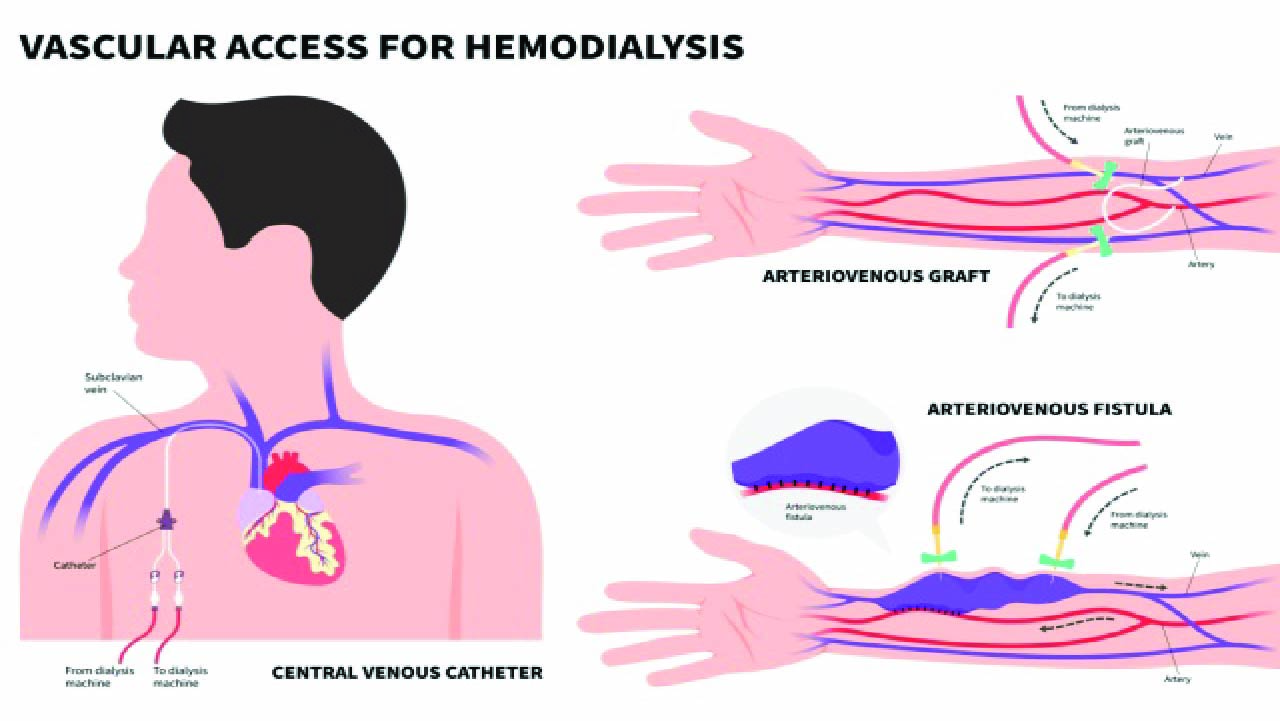
This webinar will review characteristics associated with catheters used for CKRT, evidence regarding catheter insertion sites, size, and positions, effects of vascular access on circuit life, potential complications associated with catheter access and key distinctions between catheter dysfunction and catheter failure.

1 hour

Free

No Scheduled Dates

Join Dr. Luis Juncos as he helps to build your confidence with CKRT access, presenting information on:  

  • Characteristics associated with catheters used for CKRT 
  • Evidence regarding catheter insertion sites, size, and positions 
  • Effects of vascular access on circuit life 
  • Potential complications associated with catheter access 
  • Key distinctions between catheter dysfunction and catheter failure
Hemocompatibility During ECMO: Technical Considerations, Monitoring, & Management

1 hour

Free

No Scheduled DatesRegister Interest

Ensuring hemocompatibility is crucial to safely perform Extracorporeal Membrane Oxygenation (ECMO) without complications like clotting and bleeding. Key technical considerations include selecting biocompatible materials for ECMO components and optimizing flow dynamics to reduce shear stress. Monitoring involves regularly checking coagulation markers, platelet counts, and haemolysis indicators to detect and manage thrombotic or bleeding events. Observing circuit components, flow- and pressure changes during treatment and if necessary, replacing components can avoid complications and improve device performance.

Antibiotic and Drug Dosing Along the Continuum of Kidney Replacement Therapy (Recorded)
Whether you’re a nurse, physician, pharmacist or other health care provider involved in the care of patients requiring kidney replacement therapy, this recorded webinar will help you improve your clinical practice by learning how to manage antibiotic dosing in critically ill patients on CKRT by gaining practical knowledge on optimizing treatment to prevent underdosing or toxicity. PLEASE NOTE: CE credits not available for viewing this recorded webinar.

1 hour

Free

No Scheduled Dates

Whether you’re a nurse, physician, pharmacist or other health care provider involved in the care of patients requiring kidney replacement therapy, this recorded webinar will help you improve your clinical practice by learning how to manage antibiotic dosing in critically ill patients on CKRT by gaining practical knowledge on optimizing treatment to prevent underdosing or toxicity. This webinar will enhance your understanding of how CKRT affects drug kinetics and how to effectively navigate this complexity. PLEASE NOTE: CE credits not available for viewing this recorded webinar.

Press the CLICK HERE or Register button above to view.

ECMO for Extracorporeal Cardiopulmonary Resuscitation (ECPR)
This On-Demand lecture will discuss ECMO for ECPR. PLEASE NOTE: CE credits not available for viewing this recorded webinar.

1 hour

Free

On Demand Recording

Extracorporeal cardiopulmonary resuscitation (ECPR) is the application of extracorporeal membrane oxygenation (ECMO) in patients where conventional cardiopulmonary resuscitation (CCPR) measures are unsuccessful in achieving a sustained return of spontaneous circulation (ROSC). The purpose of ECPR is to restore the circulation and gas exchange, hence, by providing organ perfusion, it provides time for the delivery of interventions necessary to regain an adequate native circulation. The presentation will focus on evidence for ECPR mainly in out-of-hospital cardiac arrest (OHCA), patient selection, emergency medical service and initial hospital system requirements and postresuscitation care.

PLEASE NOTE: CE credits not available for viewing this recorded webinar.

ECMO for Extracorporeal Cardiopulmonary Resuscitation (ECPR)

1 hour

Free

No Scheduled Dates

Extracorporeal cardiopulmonary resuscitation (ECPR) is the application of extracorporeal membrane oxygenation (ECMO) in patients where conventional cardiopulmonary resuscitation (CCPR) measures are unsuccessful in achieving a sustained return of spontaneous circulation (ROSC). The purpose of ECPR is to restore the circulation and gas exchange, hence, by providing organ perfusion, it provides time for the delivery of interventions necessary to regain an adequate native circulation. The presentation will focus on evidence for ECPR mainly in out-of-hospital cardiac arrest (OHCA), patient selection, emergency medical service and initial hospital system requirements and post resuscitation care.

Management and Troubleshooting of ECMO Complications
This On-Demand lecture will discuss the spectrum of possible complications on ECMO, their recognition and management as well as strategies to enhance safety. Bleeding, clotting, hypoxia, and mechanical and device related complications as well as troublesh

1 hour

Free

On Demand Recording

Extracorporeal Membrane Oxygenation (ECMO) has been established as lifesaving therapy for the most severe cases of respiratory and cardiac failure. It remains however a highly invasive therapy bringing about considerable risk for complications. This On-Demand lecture will discuss the spectrum of possible complications on ECMO, their recognition and management as well as strategies to enhance safety. Bleeding, clotting, hypoxia, and mechanical and device related complications as well as troubleshooting are discussed.

PLEASE NOTE: CE credits not available for viewing this recorded webinar. 

Press the CLICK HERE button to view. 

Vascular Access for Continuous Kidney Replacement Therapy (Recorded)
This recorded webinar will review characteristics associated with catheters used for CKRT, evidence regarding catheter insertion sites, size, and positions, effects of vascular access on circuit life, potential complications associated with catheter access and key distinctions between catheter dysfunction and catheter failure. PLEASE NOTE: CE credits not available for viewing this recorded video.

1 hour

Free

No Scheduled Dates

This webinar will review characteristics associated with catheters used for CKRT, evidence regarding catheter insertion sites, size, and positions, effects of vascular access on circuit life, potential complications associated with catheter access and key distinctions between catheter dysfunction and catheter failure.

Press the CLICK HERE or Register button above to view.

Indications for Kidney Replacement Therapy along the Continuum: CKRT to IHD (Recorded)
This recorded webinar highlights Dr. Charuhas Thakar as he completes a case study review outlining indications for KRT options along the continuum of care including Continuous Kidney Replacement Therapy (CKRT), Prolonged Intermittent Kidney Replacement therapy (PIKRT), and Intermittent Hemodialysis (IHD) . PLEASE NOTE: CE credits not available for viewing On-Demand courses.

1 hour

Free

No Scheduled Dates

Kidney Replacement Therapy (KRT) in the critical setting is a lifesaving, life-prolonging therapy meant to replace the function of the native kidney when it comes to fluid and electrolyte removal. Treatment options range from continuous to intermittent, giving the bedside practitioner flexibility in choosing the best option to meet  the patient’s needs. There are many factors that influence selection of the most  appropriate kidney replacement therapy, whether patients are hemodynamically stable or unstable. 

Join Dr. Charuhas Thakar as he completes a case study review outlining indications for KRT options along the continuum of care including: 

  • Continuous Kidney Replacement Therapy (CKRT) 

  • Prolonged Intermittent Kidney Replacement therapy (PIKRT) 

  •  Intermittent Hemodialysis (IHD) 

PLEASE NOTE: CE credits not available for viewing this recorded webinar. 

Press the CLICK HERE or Register button above to view.

Striking the Balance: Fluid Management During CKRT (Recorded)
This recorded webinar will provide a comprehensive summary of the current literature on fluid management in critically ill patients receiving continuous kidney replacement therapy. It will cover nuances of fluid removal and fluid balance in the clinical setting and discuss several key clinical trials that are currently underway in this domain. PLEASE NOTE: CE credits not available for viewing this recorded webinar.

1 hour

Free

On Demand Recording

This webinar will provide a comprehensive summary of the current literature on fluid management in critically ill patients receiving continuous kidney replacement therapy. It will cover nuances of fluid removal and fluid balance in the clinical setting and discuss several key clinical trials that are currently underway in this domain.

PLEASE NOTE: CE credits not available for viewing this recorded webinar. 

Elevating Patient Care through ECMO System Insights (Recorded)
This recorded webinar will explore how to use information from ECMO systems to: · Gain insight from ECMO system trends designed to improve troubleshooting and keep your patient on support · Support your ability to manage both the ECMO circuit and patient · Augment your programs’ ECMO training to compress new ECMO Specialist’s learning curve PLEASE NOTE: CE credits not available for viewing this recorded webinar.

1 hour

Free

On Demand Recording

Are you currently part of a multidisciplinary ECMO Team, working as a Perfusionist, Respiratory Therapist or ICU Nurse? Would you like to have insight from ECMO systems designed to enable more proactive circuit and patient management? Join Jamie Gordon as she explores how to use information from ECMO systems to:

· Gain insight from ECMO system trends designed to improve troubleshooting and keep your patient on support

· Support your ability to manage both the ECMO circuit and patient

· Augment your programs’ ECMO training to compress new ECMO Specialist’s learning curve

PLEASE NOTE: CE credits not available for viewing this recorded webinar. 

Coagulation Management During ECMO
Extracorporeal Membrane Oxygenation (ECMO) is a technique used to provide temporary respiratory and/or cardiac support in critically ill patients that includes a mechanical pump and oxygenator connected to patients. Anticoagulation therapy with specific monitoring is required to prevent clot formation in the ECMO circuit; however, reports have explored the feasibility of conducting ECMO without anticoagulation in patients at high risk of bleeding.

1 hour

Free

On Demand Recording

Extracorporeal Membrane Oxygenation (ECMO) is a technique used to provide temporary respiratory and/or cardiac support in critically ill patients that includes a mechanical pump and oxygenator connected to patients. Anticoagulation therapy with specific monitoring is required to prevent clot formation in the ECMO circuit; however, reports have explored the feasibility of conducting ECMO without anticoagulation in patients at high risk of bleeding. Continued research and clinical trials continue establishing standardized protocols and management strategies for ECMO patients.

PLEASE NOTE: CE credits not available for viewing this recorded webinar.

Coagulation Management During ECMO

1 hour

Free

No Scheduled Dates

ECMO (Extracorporeal Membrane Oxygenation) is a technique used to provide temporary respiratory and/or cardiac support in critically ill patients that includes a mechanical pump and oxygenator connected to patients. Anticoagulation therapy with specific monitoring is required to prevent clot formation in the ECMO circuit; however, reports have explored the feasibility of conducting ECMO without anticoagulation in patients at high risk of bleeding. Continued research and clinical trials continue establishing standardized protocols and management strategies for ECMO patients.

Managing Cardiogenic Shock: Impact of Mechanical Circulatory Support Systems
In this On Demand webinar we will delve into the complexities of cardiogenic shock, including its definition, classification, and outcomes. Learn about the latest guidelines for standard therapy and explore the role of advanced mechanical circulatory support systems such as VA ECMO and microaxial blood pumps in improving patient outcomes. PLEASE NOTE: CE credits not available for viewing this recorded webinar.

1 hour

Free

On Demand Recording

In this webinar we will delve into the complexities of cardiogenic shock, including its definition, classification, and outcomes. Learn about the latest guidelines for standard therapy and explore the role of advanced mechanical circulatory support systems such as VA ECMO and microaxial blood pumps in improving patient outcomes. Furthermore, we will enhance your understanding of patient selection, timing, and the management of complications associated with these life-saving interventions.

PLEASE NOTE: CE credits not available for viewing this recorded webinar. 

Managing Cardiogenic Shock: Impact of Mechanical Circulatory Support Systems

1 hour

Free

No Scheduled Dates

In this webinar we will delve into the complexities of cardiogenic shock, including its definition, classification, and outcomes. Learn about the latest guidelines for standard therapy and explore the role of advanced mechanical circulatory support systems such as VA ECMO and microaxial blood pumps in improving patient outcomes. Furthermore, we will enhance your understanding of patient selection, timing, and the management of complications associated with these life-saving interventions.

The Basics of Continuous Kidney Replacement Therapy (Recorded)
Join Dr. Matthew Trainor of the University of Massachusetts Medical Center as he takes a deep dive into CKRT definition and associated therapies, modality/mechanism of action, and prescription components and common terminology. PLEASE NOTE: CE credits not available for viewing this recorded webinar.

1 hour

Free

On Demand Recording

Join Dr. Matthew Trainor of the University of Massachusetts Medical Center as he takes a deep dive into the following:

  • CKRT definition and associated therapies
  • Modality/mechanism of action
  • Prescription components and common terminology

PLEASE NOTE: CE credits not available for viewing this recorded webinar. 

Basics of Therapeutic Plasma Exchange (Recorded)
This recorded webinar will review: · Indications and contraindications of plasma exchange · Explanation of equipment, personnel, preparation, and technique in regards to plasma exchange · Review of the potential complications and clinical significance of plasma exchange PLEASE NOTE: CE credits not available for viewing this recorded webinar.

1 hour

Free

On Demand Recording

Join Dr. Casey Gashti from Rush University, a leading expert in the field of therapeutic plasma exchange, for this highly anticipated webinar. Dr. Gashti will share his extensive knowledge on the topic, and groundbreaking insights into how therapeutic plasma exchange is revolutionizing patient care. Topics of this webinar will include: · Indications and contraindications of plasma exchange · Explanation of equipment, personnel, preparation, and technique in regards to plasma exchange · Review of the potential complications and clinical significance of plasma exchange PLEASE NOTE: CE credits not available for viewing this recorded webinar.

Management of Acute Kidney Injury in the ICU
The second module in our Critical Care series is a designed for healthcare professionals interested in critical care education.

1 hour

Free

No Scheduled Dates

This replay of a recorded specialized module, presented by Dr. Anitha Vijayan Professor of Medicine Washington University in St. Louis Medical Director/Acute Dialysis Services, Barnes Jewish Hospital St. Louis, MO, offers a thorough examination of key aspects of Acute Kidney Injury (AKI) management. It starts with an in-depth review of AKI diagnosis, emphasizing current diagnostic criteria and approaches. The module then explores novel biomarkers that enhance early detection and risk stratification of AKI.

You will learn about:

  • the Furosemide Stress Test as a tool for assessing renal function and predicting response to therapy
  • the systemic effects of volume overload on patient outcomes providing insights into the broader implications of fluid management
  • criteria and timing for initiating Kidney Replacement Therapy (KRT)

This comprehensive approach aims to refine clinical decision-making and improve patient care in AKI. Included in the presentation will be interactive polling questions and a chance to engage with critical care experts during a live Q&A session.

Hemocompatibility in ECMO Systems: Technical Considerations, Monitoring, and Management
Key technical considerations include selecting biocompatible materials for ECMO components and optimizing flow dynamics to reduce shear stress. Monitoring involves regularly checking coagulation markers, platelet counts, and haemolysis indicators to detect and manage thrombotic or bleeding events. Observing circuit components, flow- and pressure changes during treatment and if necessary, replacing components can avoid complications and improve device performance.

1 hour

Free

On Demand Recording

Ensuring hemocompatibility is crucial to safely perform Extracorporeal Membrane Oxygenation (ECMO) without complications like clotting and bleeding. Key technical considerations include selecting biocompatible materials for ECMO components and optimizing flow dynamics to reduce shear stress. Monitoring involves regularly checking coagulation markers, platelet counts, and haemolysis indicators to detect and manage thrombotic or bleeding events. Observing circuit components, flow- and pressure changes during treatment and if necessary, replacing components can avoid complications and improve device performance.

PLEASE NOTE: CE credits not available for viewing this recorded webinar. 

Quality Improvement in Continuous Kidney Replacement Therapy
Join us for an insightful and engaging webinar focused on improving the quality of care in continuous kidney replacement therapy. This session will explore innovative strategies, evidence-based practices, and collaborative approaches that can enhance patient outcomes and optimize treatment efficacy in kidney care.

1 hour

Free

No Scheduled Dates

Join us for an insightful and engaging webinar focused on improving the quality of care in continuous kidney replacement therapy. This session will explore innovative strategies, evidence-based practices, and collaborative approaches that can enhance patient outcomes and optimize treatment efficacy in kidney care.

Topics include:

  • Advancements in Continuous Kidney Replacement Therapies
  • Best Practices for Patient Care
  • Improving Access and Efficiency in Dialysis
  • Quality Metrics and Performance Improvement
  • Collaborative Approaches to Patient and Provider Partnerships
CKRT in the Critical and Acute Care Settings: Overview Part 1
The third module in our Critical Care series is designed for healthcare professionals interested in critical care education.

1 hour

Free

No Scheduled Dates

This replay of a recorded educational module provides an in-depth exploration of Continuous Kidney Replacement Therapy (CKRT). Presented by Dr. Roger Rodby, Professor of Medicine Division of Nephrology Rush University Medical Center, Chicago, IL, the module provides:

  • a comprehensive review of the historical development of CKRT, tracing its evolution from early techniques to modern advancements
  • a review of the various clearance modalities used in CKRT, such as continuous venovenous hemofiltration (CVVH), continuous venovenous hemodialysis (CVVHD), and continuous venovenous hemodiafiltration (CVVHDF).

By comparing and contrasting these modalities, the module aims to enhance understanding of their clinical applications, advantages, and limitations, ultimately equipping them with the knowledge to make informed decisions in patient care. Included in the presentation will be interactive polling questions and a chance to engage with critical care experts during a live Q&A session.

ECMO in Sepsis
ECMO in Sepsis

1 hour

Free

No Scheduled Dates

This webinar will introduce sepsis and septic shock and cover key epidemiological and pathophysiological facts. Subsequently, the presentation will discuss when and how to apply ECMO support for septic shock, featuring specific considerations for ECMO in septic shock. Moreover, the talk will review applicable guidelines and standards and will address potential complications and outcomes of ECMO in sepsis.

Antibiotic and Drug Dosing Along the Continuum of Kidney Replacement Therapy

1 hour

Free

No Scheduled Dates

Whether you’re a nurse, physician, pharmacist or other health care provider involved in the care of patients requiring kidney replacement therapy, this webinar will help you improve your clinical practice by learning how to manage antibiotic dosing in critically ill patients on CKRT by gaining practical knowledge on optimizing treatment to prevent underdosing or toxicity. This webinar will enhance your understanding of how CKRT affects drug kinetics and how to effectively navigate this complexity.

Tailoring Kidney Replacement Therapy to Individual Needs: A Comprehensive Approach

1 hour

Free

No Scheduled Dates

In this session, Dr. McMahon will delve into the criteria for selecting patients for: Continuous Kidney Replacement Therapy (CKRT), Prolonged Intermittent Kidney Replacement Therapy (PIKRT), and Intermittent Hemodialysis (IHD). You will gain valuable insights into how the selection process balances both art and science, combining clinical expertise with personalized care to optimize patient outcomes.

Anticoagulation and Acid-Base Disorders in AKI Requiring CKRT

1.5 hours

Free

No Scheduled Dates

Continuous kidney replacement therapy (CKRT) is often used in the management of critically ill patients with acute kidney injury, particularly those who are hemodynamically unstable. These patients often exhibit disorders in acid-base status. In this seminar, experienced faculty will provide insight into patient- and treatment-associated factors contributing to such disorders and potential measures that may help guide appropriate clinical management. Reducing therapy downtime requires effective anticoagulation, which should be carefully managed to meet therapeutic goals and avoid exacerbation of underlying disorders or introducing new complications. Our expert panel will discuss key underpinnings of the management of patients receiving CKRT and common challenges related to anticoagulation and acid-base management. This interactive discussion will feature case presentations and provide you with an opportunity to ask questions regarding your own challenging scenarios related to anticoagulation and acid-based management in critically ill patients with AKI.

Tailoring Kidney Replacement Therapy to Individual Needs: A Comprehensive Approach (Recorded)
In this recorded session, Dr. McMahon will delve into the criteria for selecting patients for: Continuous Kidney Replacement Therapy (CKRT), Prolonged Intermittent Kidney Replacement Therapy (PIKRT), and Intermittent Hemodialysis (IHD). You will gain valuable insights into how the selection process balances both art and science, combining clinical expertise with personalized care to optimize patient outcomes. PLEASE NOTE: CE credits not available for viewing this recorded webinar.

1 hour

Free

No Scheduled Dates
In this recorded session, Dr. McMahon will delve into the criteria for selecting patients for: Continuous Kidney Replacement Therapy (CKRT), Prolonged Intermittent Kidney Replacement Therapy (PIKRT), and Intermittent Hemodialysis (IHD). You will gain valuable insights into how the selection process balances both art and science, combining clinical expertise with personalized care to optimize patient outcomes. PLEASE NOTE: CE credits not available for viewing this recorded webinar. Press the CLICK HERE or Register button above to view.
ECMO: Clinical Applications in Acute Respiratory Distress Syndrome (ARDS)

1 hour

Free

No Scheduled Dates

Acute respiratory distress syndrome (ARDS) is a potentially life-threatening respiratory condition that is encountered in approximately 10% of ICU admissions. As the severity of ARDS increases, more complex interventions may be required to facilitate gas exchange for critically ill patients. Mechanical ventilation and prone positioning are often employed in the management of patients with severe ARDS, and more evidence is accumulating regarding the role of ECMO in managing these patients. This educational activity has been designed to provide you with an appraisal of the current clinical landscape of ARDS, insights into its pathophysiologic progression, and familiarity with evidence-based approaches to the management of ARDS with a range of interventions, including ECMO. The activity will address multiple aspects of ECMO use in patients with ARDS, including technical specifications, outcomes assessments, and strategies to mitigate potential complications.

Utilization of PIRKT as a Transitional Dialysis Program (Recorded)
This presentation will discuss how an acute care hospital utilized Prolonged Intermittent Renal Kidney Therapy (PIKRT) as a transitional dialysis program after disruption of traditional hemodialysis. The process improvement workout, policy development, education and training processes will be reviewed. PLEASE NOTE: CE credits not available for viewing this recorded webinar.

1 hour

Free

On Demand Recording

This presentation will discuss how an acute care hospital utilized Prolonged Intermittent Renal Kidney Therapy (PIKRT) as a transitional dialysis program after disruption of traditional hemodialysis. The process improvement workout, policy development, education and training processes will be reviewed.

PLEASE NOTE: CE credits not available for viewing this recorded webinar.

Volume Management of the Critically Ill Patient Receiving RRT with Data from the Crit-Line Monitor

1 hour

Free

No Scheduled Dates

At the end of this presentation, you will have a better understanding of the goals and key factors associated with volume management of the critically ill patient undergoing renal replacement therapy. We will review treatments options available in the acute setting where Crit-Line can be utilized. And you will understand the data provided by the Crit-Line and its role in the acute setting.

Introduction to Continuous Kidney Replacement Therapy (CKRT)

1.5 hours

Free

No Scheduled Dates

There are multiple modalities of renal replacement therapy, and selection of the appropriate option is often dictated by multiple factors, including the nature and severity of the underlying kidney impairment and the hemodynamic stability of the patient. This educational activity is designed to provide an introductory overview of continuous kidney replacement therapy (CKRT), which is commonly used in the critical care setting. Several fundamental concepts will be addressed, including basics of kidney anatomy and function, options for renal replacement in the critical care setting, fundamental principles governing different CKRT modalities, and a review of potential clinical challenges associated with CKRT. This is an opportunity for clinicians to enhance their familiarity with the terminology of CKRT and gain confidence in the understanding of its goals, mechanisms of action, and circuit components.

CKRT in the Critical Care and Acute Settings: Overview Part 3
The fifth module in our Critical Care series is designed for healthcare professionals interested in critical care education.

1 hour

Free

No Scheduled Dates

This replay of a recorded targeted module, led by Dr. Roger Rodby, Professor of Medicine Division of Nephrology Rush University Medical Center, Chicago, IL, delves into critical components of Continuous Kidney Replacement Therapy (CKRT).

This module provides:

  • an exploration of the optimal timing for initiating CKRT, informed by current literature and clinical guidelines
  • a foundational understanding of CKRT anticoagulation strategies, including the mechanisms, choices, and management of anticoagulants to prevent circuit clotting and optimize therapy
  • a review of various fluid options used in CKRT, discussing their implications for patient management and therapy efficacy

This integrated approach aims to equip critical care clinicians with the knowledge and skills necessary for effective CKRT implementation and management in diverse clinical scenarios. Included in the presentation will be interactive polling questions and a chance to engage with critical care experts during a live Q&A session.

Anticoagulation Use in the AKI Patient

1 hour

Free

No Scheduled Dates

Many critically ill patients admitted to Intensive Care Units (ICUs) experience acute kidney injury (AKI) and require kidney replacement therapy (KRT). Whether therapy is continuous (CKRT) or intermittent (iHD), various anticoagulants may be needed to prevent circuit clotting and reduction in delivered dose of therapy. This webinar is designed to provide a fundamental understanding of the types of anticoagulation used, rationale for their use, protocols applied in different modalities, complications experienced, and overall management in patients with acute kidney injury in the ICU.

Anticoagulation Options in Continuous Kidney Replacement Therapy (CKRT)

1 hour

Free

No Scheduled Dates

The webinar covers the indications and contraindications for various anticoagulants, including no anticoagulant, heparin, citrate, and others. Attendees will gain insights into the dosing protocols for each anticoagulant and understand the potential complications associated with their use. The course emphasizes practical considerations for selecting and managing anticoagulation therapy based on patient-specific factors and clinical scenarios.

Management and Troubleshooting of ECMO Complications

1 hour

Free

No Scheduled Dates

ECMO has been established as lifesaving therapy for the most severe cases of respiratory and cardiac failure. It remains however a highly invasive therapy bringing about considerable risk for complications. This lecture will discuss the spectrum of possible complications on ECMO, their recognition and management as well as strategies to enhance safety. Bleeding, clotting, hypoxia, and mechanical and device related complications as well as troubleshooting are discussed.

Sepsis-associated Acute Kidney Injury (AKI)

1 hour

Free

No Scheduled Dates

Sepsis-induced Acute Kidney Injury (AKI) occurs in 40%-50% of patients with sepsis, increasing their risk of mortality. This insightful webinar will discuss, sepsis induced AKI and providing Continuous Kidney Replacement Therapy (CKRT) care while in the ICU.

Vascular Access in CKRT
The eighth module in our Critical Care series is designed for healthcare professionals interested in critical care education.

1 hour

Free

No Scheduled Dates

This replay of a recorded module, led by Dr. Luis A Juncos Senior Director Critical Care, Global Medical Office/Medical Affairs, Fresenius Medical Care, focuses on the critical aspects of catheter management in Kidney Replacement Therapy (KRT).

You will learn about:

  • characteristics of different catheters used in KRT, including their design, length, and size based on the insertion site
  • how to differentiate between catheter dysfunction and failure, understanding the implications for therapy efficacy and patient outcomes
  • how access characteristics affect circuit life, and explores the complications associated with decreased circuit longevity
  • guidance on assessing catheter tip placement using chest X-rays, highlighting markers of optimal positioning

This comprehensive review aims to enhance practical skills in catheter management and troubleshooting, improving overall KRT effectiveness and patient safety. Included in the presentation will be interactive polling questions and a chance to engage with critical care experts during a live Q&A session.

Dosing in CKRT: Part 2
The seventh module in our Critical Care series is designed and healthcare professionals interested in critical care education.

1 hour

Free

No Scheduled Dates

This replay of a recorded advanced module, delivered Dr. Charuhas V. Thakar, Professor of Medicine and Director of Division of Nephrology at the University of Cincinnati, provides a comprehensive review of Continuous Kidney Replacement Therapy (CKRT) with a focus on dosing, complications, and nutritional aspects.

You will learn about:

  • current dosing recommendations based on recent literature, offering evidence-based guidelines for effective CKRT management
  • common and serious complications associated with CKRT, including strategies for prevention and management
  • nutritional considerations critical to CKRT patients, discussing how to balance dietary needs with therapy requirements

By integrating these key areas, the module aims to enhance clinical skills and decision-making, ultimately improving patient outcomes in CKRT. Included in the presentation will be interactive polling questions and a chance to engage with critical care experts during a live Q&A session.

Ins and Outs: A CKRT Literature Review

1 hour

Free

No Scheduled Dates

Management of critically ill patients with acute kidney injury (AKI) can be an incredibly complex task, and many of these patients will require therapeutic support with kidney replacement therapy. Current KDIGO guidelines suggest using continuous kidney replacement therapy (CKRT) for patients with AKI who are hemodynamically unstable. To optimize outcomes in this patient population, careful consideration of multiple patient- and disease-specific factors is essential. Clinical evidence pertaining to patient management continues to evolve at a rapid pace, and it may be challenging for busy clinicians to keep up with the latest clinical evidence. This webinar is designed to assist nurses, physicians, and other clinicians by providing a top-level summary of key recent publications pertaining to fluid management, medication dosing, and nutritional support for patients with AKI who require CKRT. It will also place this evidence in the context of contemporary treatment paradigms, and you will have the opportunity to ask questions regarding the presented materials.

Fundamentals of Therapeutic Plasma Exchange (TPE)

1 hour

Free

No Scheduled Dates

Therapeutic plasma exchange, or TPE, is a component of the management of a wide range of clinical conditions. TPE involves the separation and removal of plasma, which often contains pathologically relevant substances, from the other components of blood. This removed volume is accounted for with the infusion of a replacement solution that also has the potential to add individual components that may be absent or deficient in the patient. TPE may be provided with different techniques, and this course has been designed to educate providers on the core aspects of TPE procedures, common clinical indications for this therapeutic approach, potential complications of TPE, and other clinical considerations such as anticoagulation management.

The Uphill Battle: The Role of Continuous Kidney Replacement Therapy in the Patient Journey (Recorded)
Are you ready to deepen your understanding of Continuous Kidney Replacement Therapy (CKRT) and its pivotal role in transplant medicine? Join us for an enlightening On-Demand webinar designed specifically for healthcare providers involved in transplant care where we will deliver expert insights on CKRT, as well as real-life experiences.

1 hour

Free

No Scheduled Dates

Our recorded session will start with a comprehensive overview of CKRT, focusing on its applications and benefits in the context of transplant medicine. Learn about the latest clinical guidelines, best practices, and how CKRT can optimize patient outcomes.

Next, gain valuable perspectives from a heart transplant recipient who has navigated the complexities of CKRT. Hear firsthand about her healthcare journey, the challenges faced, and the transformative role CKRT played in her recovery and overall well-being.

PLEASE NOTE: CE credits are not available for viewing On-Demand courses.

Press the CLICK HERE or Register button above to view.

Citrate - CKRT in Clinical Practice - What Residents Should Be Aware Of
This webinar gives a practical overview on the application of citrate-anticoagulated CKRT in clinical practice.

1 hour

Free

View Upcoming Dates (1)
This webinar gives a practical overview on the application of citrate-anticoagulated CKRT in clinical practice. It will address the typical set-up and monitoring and present some special cases which a physician on duty may encounter, including citrate accumulation, filter clogging, and filter clotting despite correctly performed citrate anticoagulation.
Anticoagulation in Continuous Kidney Replacement Therapy (CKRT): Part 2

1 hour

Free

No Scheduled Dates

This replay of a recorded advanced module, led by Dr Christopher Hebert, Assistant Professor of Medicine and Nephrology Baylor Scott and White Health, Baylor University Medical Center Dallas, TX, offers an in-depth exploration of filter clotting issues in Kidney Replacement Therapy (KRT).

This module provides:

  • a detailed review of the indications for filter clotting, helping critical care clinicians identify and address the underlying causes
  • an examination of the anatomy of filter and circuit clotting, offering insights into how these issues impact KRT efficacy and patient outcomes
  • an overview of various anticoagulation choices and practical strategies for managing anticoagulation in KRT settings

By integrating theoretical knowledge with practical applications, this module aims to enhance critical care clinicians’ ability to prevent and manage filter clotting, optimizing KRT performance and improving patient care. Included in the presentation will be interactive polling questions and a chance to engage with critical care experts during a live Q&A session.

Anticoagulation in CKRT - Why is Citrate Preferred over Heparin
This webinar explains the reasons why citrate anticoagulation has become the preferred anticoagulation option in CKRT, largely replacing the previously preferred use of heparin anticoagulation.

1 hour

Free

View Upcoming Dates (1)
This webinar explains the reasons why citrate anticoagulation has become the preferred anticoagulation option in CKRT, largely replacing the previously preferred use of heparin anticoagulation. It addresses also the remaining contraindications to use of citrate and provides an opinion whether citrate is suitable for all patients.
CKRT for the Treatment of AKI - Practical Considerations
Starting with a brief history of continuous kidney replacement therapy (CKRT), details of the procedure will be presented.

1 hour

Free

View Upcoming Dates (1)
Starting with a brief history of continuous kidney replacement therapy (CKRT), details of the procedure will be presented. Vascular access is crucial for conduct of CKRT. The CKRT modes CVVH, CVVHD, and CVVHDF will be compared regarding patient outcome, efficacy of CKRT and practical differences. The potential of high-permeability filters in CVVHD will be touched on as well.
Anticoagulation in Continuous Kidney Replacement Therapy (CKRT): Part 1

1 hour

Free

No Scheduled Dates

This replay of a recorded advanced module, led by Dr Christopher Hebert, Assistant Professor of Medicine and Nephrology Baylor Scott and White Health, Baylor University Medical Center Dallas, TX, offers an in-depth exploration of filter clotting issues in Kidney Replacement Therapy (KRT).

This module provides:

  • a detailed review of the indications for filter clotting, helping critical care clinicians identify and address the underlying causes
  • an examination of the anatomy of filter and circuit clotting, offering insights into how these issues impact KRT efficacy and patient outcomes
  • an overview of various anticoagulation choices and practical strategies for managing anticoagulation in KRT settings

By integrating theoretical knowledge with practical applications, this module aims to enhance critical care clinicians’ ability to prevent and manage filter clotting, optimizing KRT performance and improving patient care. Included in the presentation will be interactive polling questions and a chance to engage with critical care experts during a live Q&A session.

AKI: Epidemiology, Indication for KRT, Early vs Late, CKRT vs IHD
This webinar introduces acute kidney injury (AKI) with focus on severe AKI needing kidney replacement therapy (KRT).

1 hour

Free

View Upcoming Dates (1)
This webinar introduces acute kidney injury (AKI) with focus on severe AKI needing kidney replacement therapy (KRT). Details of the KRT prescription will be presented including indications for KRT, when to start as well as the complementary use of continuous and intermittent KRT options.

Renal Pharmaceuticals

Anemia Management in Kidney Disease
Advanced presentation reviewing the role of iron, stages of iron deficiency, factors contributing to iron deficiency, clinical complications, treatment option principles and challenges in anemia management.

1 hour

Free

View Upcoming Dates (1)
Advanced presentation reviewing the role of iron, stages of iron deficiency, factors contributing to iron deficiency, clinical complications, treatment option principles and challenges in anemia management.
Hyperphosphatemia and MBD: Understanding the Link and Effective Management

1.5 hours

Free

View Upcoming Dates (1)
This presentation describes the characteristics of phosphate binders and their modes of action, the clinical effects of phosphate binders, how vitamin D and calcimimetics can be used in the treatment of secondary hyperparathyroidism and discusses the barriers to CKD-MBD management.
Etiology, Diagnosis, and Management of CKD-aP (Recorded)

1 hour

Free

No Scheduled DatesRegister Interest

This recorded webinar will provide an introduction to CKD-aP, including possible causes, diagnostic criteria, treatment options, and discussion of patient- and provider-related barriers to management.

Diabetic Kidney Disease and Use of SGLT2 Inhibitors

1.5 hours

Free

No Scheduled Dates

In this course, we will describe the role of the kidneys and sodium glucose transporters (SGLTs) in glucose homeostasis. We will review diagnosis, prevalence, and current treatment options for diabetes and diabetic kidney disease (DKD) and explain the mechanism of action of SGLT2 inhibitors. We will also highlight the importance of early prescribing of SGLT2 inhibitors in CKD and DKD.

SGLT-2 Inhibitors in PD: A Promising New Frontier

1 hour

Free

No Scheduled Dates

SGLT-1 Inhibitors in Peritoneal Dialysis: A Promising New Frontier

Managing Suboptimal Responsiveness to Anemia Treatment for Patients with CKD

1 hour

Free

No Scheduled Dates

This course will provide an overview of key principles associated with the management of anemia in CKD, including factors that may contribute to suboptimal response to anemia treatment. It will also address evidenced-based approaches for patients who do not respond adequately to anemia treatment through series of clinical vignettes.

Diabetic Kidney Disease and Use of Sodium Glucose Transporter 2 Inhibitors (SGLT-2i)
In this course, we will describe the role of the kidneys and sodium glucose transporters (SGLTs) in glucose homeostasis. We will review diagnosis, prevalence, and current treatment options for diabetes and diabetic kidney disease (DKD) and explain the mechanism of action of SGLT2 inhibitors. We will also highlight the importance of early prescribing of SGLT2 inhibitors in CKD and DKD.

1 hour

Free

View Upcoming Dates (1)
In this course, we will describe the role of the kidneys and sodium glucose transporters (SGLTs) in glucose homeostasis. We will review diagnosis, prevalence, and current treatment options for diabetes and diabetic kidney disease (DKD) and explain the mechanism of action of SGLT2 inhibitors. We will also highlight the importance of early prescribing of SGLT2 inhibitors in CKD and DKD.

Product Training

Relative Blood Volume Monitoring for ESKD Fluid Management
This presentation will review fluid overload and real-world data and clinical outcomes in patients using relative blood volume monitoring with Crit-Line devices.

1 hour

Free

View Upcoming Dates (2)
Fluid overload in hemodialysis patients is common and is associated with health consequences. This presentation will review fluid overload and real-world data and clinical outcomes in patients using relative blood volume monitoring with Crit-Line devices.
Volume Management of the Critically Ill Patient Receiving RRT with Data from the Crit-Line Monitor

1 hour

Free

No Scheduled Dates

At the end of this presentation, you will have a better understanding of the goals and key factors associated with volume management of the critically ill patient undergoing renal replacement therapy. We will review treatments options available in the acute setting where Crit-Line can be utilized. And you will understand the data provided by the Crit-Line and its role in the acute setting.

2008T BlueStar Alarm Troubleshooting and Emergency Rinseback

1 hour

Free

View Upcoming Dates (1)
The 2008T BlueStar Alarm Troubleshooting presentation provides a basic overview of the machine alarm conditions, the steps to identify alarms, and the action required for troubleshooting and performing the emergency rinseback procedure.

In-Center Dialysis

Diabetes Mellitus Treatment in Hemodialysis Patients (Recorded)
PLEASE NOTE: CE credits not available for viewing this recorded webinar.

1 hour

Free

No Scheduled Dates

This recorded webinar, presented by Dr. Luis Juncos, provides an overview of diabetes mellitus and its unique considerations in hemodialysis patients. Participants will learn about key glycemic monitoring targets for individuals with diabetes and chronic kidney disease (CKD) and explore a holistic approach to improving patient outcomes. Additionally, the session will highlight advancements in diabetic medicine and future research directions. PLEASE NOTE: CE credits not available for viewing this recorded webinar. 

Diabetes Mellitus Management in Hemodialysis Patients

1 hour

Free

No Scheduled Dates

Diabetes Mellitus is the leading cause of end-stage kidney disease etiology in most countries and its prevalence is constantly increasing. This 1-hour course will cover the importance of diabetes education and care management to improve outcomes in chronic kidney disease patients and different approaches to achieve it, and how different is diabetes in hemodialysis patients and what treatments are available for them.

Practical Guide to Delivering High-volume Hemodiafiltration

1 hour

Free

No Scheduled Dates

This course provides an introduction to high-volume hemodiafiltration (HDF) and the motivation for achieving high convection volumes. Then, the patient-, technical-, and prescription-dependent factors that can affect the convection volume achieved with HDF are discussed. Finally, an example of a high-volume HDF prescription and proposed steps to increase the convection volumes for adult prevalent patients with mature vascular access are discussed.

Online Generation of Sterile Fluid for Hemodiafiltration

1 hour

Free

No Scheduled Dates

This course describes the history and practical advantages of on-line fluid generation. The technical requirements that are needed to produce various qualities of fluid on-line are then discussed followed by a review of the safety and efficacy of on-line generated fluids. Finally, saline and substitution fluid are compared, and potential prescription changes associated with the use of on-line generated fluids are described.

2008T BlueStar Alarm Troubleshooting and Emergency Rinseback

1 hour

Free

View Upcoming Dates (1)
The 2008T BlueStar Alarm Troubleshooting presentation provides a basic overview of the machine alarm conditions, the steps to identify alarms, and the action required for troubleshooting and performing the emergency rinseback procedure.
Use and Application of Hemodiafiltration
This presentation is designed to provide a comprehensive overview of the fundamental concepts in hemodiafiltration (HDF).

1 hour

Free

View Upcoming Dates (1)
This presentation is designed to provide a comprehensive overview of the fundamental concepts in hemodiafiltration (HDF). It describes the technical requirements for HDF, discusses a potential HDF prescription, and reviews the prevalence and clinical outcomes of HDF.

Hemodiafiltration (HDF)

Effect of High Volume Online-Hemodiafiltration (OL-HDF) on Quality of Life

Free

Article

Effect of High Volume Online-Hemodiafiltration (OL-HDF) on Quality of Life.

Press the CLICK HERE button to view.

Safety and Efficacy of On-Line Generated Ultrapure Dialysate And Sterile, Non-pyrogenic Substitution Fluid for On-line HDF
Safety and Efficacy of On-Line Generated Ultrapure Dialysate And Sterile, Non-pyrogenic Substitution Fluid for On-line Hemodiafiltration

Free

Article

Safety and Efficacy of On-Line Generated Ultrapure Dialysate And Sterile, Non-pyrogenic Substitution Fluid for On-line Hemodiafiltration (OL-HDF).

Press the CLICK HERE button to view.

Hemodialysis to Hemodiafiltration Transition Animated Video

Free

eLearning

This animated video provides a brief introduction to the transition from hemodialysis to hemofiltration. Press the CLICK HERE button to view.

Hemodiafiltration Animated Video

5 minutes

Free

eLearning

This 5-minute animated video provides a brief introduction of hemodiafiltration (HDF): What is hemodiafiltration? How does it work? What are the commonly used HDF treatment modalities? What are some key considerations for in-center online HDF prescribing? Press the CLICK HERE button to view.

Biochemical and Clinical Benefits of HDF

Free

Article

This article will provide general overview of potential biochemical and clinical benefits of hemodiafiltration, including the role of the convection volume. Press the CLICK HERE button to view.

HDF Quizzlers 2 players

5 minutes

Free

Quizzler

Compete and test your knowledge on Hemodiafiltration (HDF)! Press the CLICK HERE button to view.

Large Cohort Studies Reporting Intermediary and Hard Clinical Endpoints

Free

Article

Large Cohort Studies Reporting Intermediary and Hard Clinical Endpoints Press the CLICK HERE button to view.

The Use and Application of Hemodiafiltration (HDF)

1 hour

Free

eLearning

This course provides a comprehensive overview of fundamental concepts of Hemodiafiltration (HDF). It describes the technical requirements for HDF, discuss the potential prescription with HDF, and review the clinical outcomes with the use of HDF. Press the CLICK HERE button to view.

Global Epidemiology and Real-World Data on High Volume Hemodiafiltration

30 minutes

Free

On Demand Recording

As the clinical experience with HDF accumulates globally, it is worth examining the evidence for this kidney replacement therapy as used in routine clinical care. Such real-world evidence is increasingly recognized as valuable by clinicians and may inform regulatory decisions. In this presentation, we will focus on emerging global real-world data derived from routine clinical practices and examine how these data may complement those derived from clinical trials.

Should Hemodiafiltration Become the Gold Standard for Dialysis In the United States?

2 hours

Free

On Demand Recording

In-Center Therapies Roundtable: Should Hemodiafiltration Become the Gold Standard for Dialysis In the United States? 

Patient-Report Outcomes and Patient Voices With High-Volume Hemodiafiltration

40 minutes

Free

On Demand Recording

In this webinar, we will shed light on the growing evidence of the beneficial effect of high-volume hemodiafiltration on health-related quality of life of patients with end-stage kidney failure: how it can be measured, who is most likely to benefit, and what aspects of quality of life show improvements.

Online Hemodiafiltration: Understanding Concepts, Outcomes, and Clinical Applications

2 hours

Free

On Demand Recording

This roundtable didactic presentation is designed to increase familiarity with online hemodiafiltration as a dialysis treatment modality, to help you understand its benefits and challenges, as well as to describe clinical experiences. Practical considerations for implementing this technique in patients currently receiving conventional hemodialysis are provided.

Prescription of High-Volume Online Hemodiafiltration

48 minutes

Free

No Scheduled Dates

In this webinar, we will shed light on the growing evidence of the beneficial effect of high-volume hemodiafiltration on health-related quality of life of patients with end-stage kidney failure: how it can be measured, who is most likely to benefit, and what aspects of quality of life show improvements.

Clinical Experience of hv HDF (Asia Pacific)

30 minutes

Free

On Demand Recording

Prof. Moon will cover practical considerations for implementing HV-HDF. Topics such as good enough water quality, high enough blood flow rates, patient selection , pharmacokinetics of drugs whilst on HV-HDF tend to be common concerns.

Patient-Reported Outcomes in the CONVINCE Trial

3 minutes

Free

On Demand Recording

Patient-reported outcomes (PROs) are pivotal in advancing renal replacement therapies and guiding patient-centered care. Recent findings from the CONVINCE trial demonstrate the superiority of high-volume hemodiafiltration, which improves life expectancy, slows the decline in physical and cognitive function, and enhance participation in social activities, compared to standard hemodialysis.

Shifting from High-Flux HD to HighVolumeHDF

53 minutes

Free

On Demand Recording

Despite the need to improve survival rates of dialysis patients and the acknowledged survival benefit that HDF offers, there is limited utilization of HDF in some countries. In this presentation, a value-based case for HDF from the patient, provider, and payor perspectives will be presented and potential barriers to greater utilization of HDF will be considered.

Speaker: Carsten Hornig, PhD, Fresenius Medical Care

Optimizing HDF Outcomes

4 minutes

Free

On Demand Recording

In the second episode, we explore the clinical benefits and the potential mechanisms of High-Volume Hemodiafiltration. In addition, as the experience with high-volume HDF increased over last decades, some real-world evidence data is presented.

Uremic Toxins and Hemodiafiltration

1 hour

Free

On Demand Recording

Since the seminal work on classification, concentration, and interindividual variability of uremic toxins, new aspects of ‘modern’ dialysis treatment have emerged. Uremic toxins (UT) have been identified and related to higher rates of morbidity and mortality in dialysis patients. Find out more about their effects on cardiovascular disease and how to improve the removal of UT during dialysis. Usual doses of erythropoiesis-stimulating agents (ESAs) have limited impact on chronic kidney disease-associated anemia. This session will discuss online high-volume hemodiafiltration and the remediation of ESA resistance in patients suffering from uremic inflammation, in reference to the REDERT study.

The History of Hemodiafiltration: From the Early Days to Today

42 minutes

Free

On Demand Recording

Join us for a webinar that takes you on a compelling journey through the history of convective-based therapies, culminating in the development of hemodiafiltration (HDF). Explore its origins, major milestones, and technological breakthroughs that have transformed HDF into a life-changing therapy in modern kidney care. Discover how decades of research, innovation, and clinical practice have advanced HDF, improving patient outcomes and shaping the future of kidney replacement treatment. Get ready to explore the past, present, and future of HDF!

What is/are the mechanism(s) of beneficial effect of HDF?

30 minutes

Free

On Demand Recording

Present evidence suggests that hemodiafiltration offers a better clinical outcome as compared to standard hemodialysis especially when delivered in high volume. In this presentation, I will discuss possible mechanism(s) of such a beneficial effect and I will briefly summarize what new data can be expected in the near future.

The Essentials of Hemodiafiltration: The Value of Convection

42 minutes

Free

On Demand Recording

“One of the main driving forces of hemodiafiltration relies on the higher total dialytic dose delivered that includes total ultrafiltration volume, namely the convective dose, that increase and extend molecular weight spectrum of uremic compounds removed with hemodiafiltration. In this presentation, the main factors that condition performances of hemodiafiltration that include blood flow, dialyzer design and surface area, substitution and ultrafiltration flow, dialysate flow, anticoagulation and treatment time will be revisited. In addition, technical options and features of HDF machines facilitating achievement of target and their impact on water and dialysis fluid saving will be discussed. Finally, the impact on selected and clinically relevant solute clearances (urea, phosphate and B2M), solute kinetic and circulating levels control will be analyzed.

By the end of this presentation attendees will be able to understand what differs between hemodiafiltration and high flux hemodialysis, why it is important to fine tune hemodiafiltration prescription and what are the targets to achieve to provide full benefits to patients.”

High-Volume HDF: The Sustainability and Environmental Perspective

40 minutes

Free

On Demand Recording

In this webinar environmental issues and measures of chronic hemodialysis therapy will be addressed. Hemodialysis saves lives but consumes large amounts of water and power and produces a lot of care-related waste. It must be a goal for the nephrology community to implement measures to save water for the HD therapy. Beyond its superiority on patient survival, hemodiafiltration must also be considered a possibility to spare dialysate and water consumption without jeopardizing the dialysis dose delivery. 

Convection with Conviction to CONVINCE

1 hour

Free

On Demand Recording

Online hemodiafiltration (HDF) is an established renal replacement modality for patients with end stage chronic kidney disease that is now gaining clinical acceptance worldwide. Currently, there is a growing body of evidence indicating that treatment with HDF is associated with better outcomes and reduced cardiovascular mortality for dialysis patients. In this presentation current evidence on the effects on clinical outcome is summarized and possible mechanisms of beneficial effect are discussed. Currently, treatment with HDF appears to improve the survival of dialysis patients predominantly due to a reduction in their cardiovascular burden, and this reduction is linked to the sessional convection volume exchanged Information on the effects on patient reported outcome measures is very limited. Presently, large clinical trials are progressing, which hopefully will deliver definite answers in the near future Information on rationale, design and present status will be shared with the audience. 

How to Implement HV HDF

3 minutes

Free

On Demand Recording

In the third episode, we explore the steps of High-Volume Hemodiafiltration implementation. High-Volume Hemodiafiltration offers significant clinical benefits through optimized treatment protocols. Key factors include treatment time, blood flow, and dialyzer specifications. A structured approach helps transition patients from hemodialysis to High-Volume Hemodiafiltration, ensuring adequate convective volumes.

Critical Role of Convection Volume and Practices on Results

Free

Article

Critical Role of Convection Volume and Practices on Results Press the CLICK HERE button to view.

Hemodiafiltration Introduction
This articles will provide general overview of potential biochemical and clinical benefits of hemodiafiltration, including the role of the convection volume.

Free

Article

This articles will provide general overview of potential biochemical and clinical benefits of hemodiafiltration, including the role of the convection volume. Press the CLICK HERE button to view.

Practical Guide to Delivering High-volume HDF

1 hour

Free

eLearning

This course reviews the motivation for targeting high convection volumes during hemodiafiltration treatments (known as high-volume HDF) and discusses the factors that influence the convection volumes achieved. Lastly, potential steps and prescriptions for achieving high-volume HDF are introduced. Press the CLICK HERE button to view.

Achieving High Convection Volumes in Online Hemodiafiltration (OL-HDF)

Free

Article

Achieving High Convection Volumes in Online Hemodiafiltration (OL-HDF). Press the CLICK HERE button to view.

Prospective Randomized Studies and Meta-analyses of Interventional Studies

Free

Article

Results of the DOPPS study, in line with previous clinical reports, have stimulated interest for HDF and triggered four European interventional prospective randomized controlled trials (RCTs). Press the CLICK HERE button to view.

HDF Quizzlers 1 player

5 minutes

Free

Quizzler

Test your knowledge on Hemodiafiltration (HDF)! Press the CLICK HERE button to view.

Clinical Evidence for High-Volume Online HDF

47 minutes

Free

On Demand Recording

HDF Spotlight #3: Clinical Evidence for High-Volume Online Hemodiafiltration Press the CLICK HERE button to view.

The CONVINCE Trial
The CONVINCE Trial

3 minutes

Free

No Scheduled Dates

Episode 1: The Convince Trial The recently published CONVINCE Trial revealed a 23% decrease in mortality rates for patients treated with high-volume hemodiafiltration compared to those treated with more commonly used high-flux hemodialysis. Learn more about one of the biggest randomized clinical trials in the dialysis field, with 1360 patients and median follow up of 30 months, addressing the question about the effect of high-volume HDF and high flux HD on mortality in kidney failure. Press the CLICK HERE button to view.

Practical Guide to Delivering High-volume Hemodiafiltration

1 hour

Free

No Scheduled Dates

This course provides an introduction to high-volume hemodiafiltration (HDF) and the motivation for achieving high convection volumes. Then, the patient-, technical-, and prescription-dependent factors that can affect the convection volume achieved with HDF are discussed. Finally, an example of a high-volume HDF prescription and proposed steps to increase the convection volumes for adult prevalent patients with mature vascular access are discussed.

Online Generation of Sterile Fluid for Hemodiafiltration

1 hour

Free

No Scheduled Dates

This course describes the history and practical advantages of on-line fluid generation. The technical requirements that are needed to produce various qualities of fluid on-line are then discussed followed by a review of the safety and efficacy of on-line generated fluids. Finally, saline and substitution fluid are compared, and potential prescription changes associated with the use of on-line generated fluids are described.

Use and Application of Hemodiafiltration
This presentation is designed to provide a comprehensive overview of the fundamental concepts in hemodiafiltration (HDF).

1 hour

Free

View Upcoming Dates (1)
This presentation is designed to provide a comprehensive overview of the fundamental concepts in hemodiafiltration (HDF). It describes the technical requirements for HDF, discusses a potential HDF prescription, and reviews the prevalence and clinical outcomes of HDF.

Home Therapies

Building Foundations: Training and Setup for Personalized Home Dialysis
This webinar will highlight best practices, share practical insights from clinical teams, and showcase how personalized education and preparation can transform the home dialysis experience.

1 hour

Free

View Upcoming Dates (1)
This webinar will highlight best practices, share practical insights from clinical teams, and showcase how personalized education and preparation can transform the home dialysis experience. Whether you’re looking to enhance patient readiness, streamline training, or strengthen multidisciplinary collaboration, this session offers a positive, solution focused overview of what truly enables success at home.
Benefits of More Frequent Therapy for Your Skilled Nursing Facility (SNF) Dialysis Patients (Recorded)
Dialysis patients may present challenges when arranging access to services for sustainable plans and care transitions. This On-Demand session discusses key considerations to coordinate and select on-site dialysis options for your patients. PLEASE NOTE: CE credits not available for viewing this recorded video.

1 hour

Free

On Demand Recording

Dialysis patients may present challenges when arranging access to services for sustainable plans and care transitions. This On-Demand session discusses key considerations to coordinate and select on-site dialysis options for your patients. Learn about various operational efficiencies that may be enabled by to transitioning patients from off-site dialysis to on-site dialysis. By keeping patients on-site for treatment, their hemodialysis treatments can be tailored to meet their unique clinical needs while helping to maintain their medication, rehabilitation, and dietary schedules. Best practices for transitions of care will be applied including guiding more patients to home dialysis post-discharge.

PLEASE NOTE: CE credits not available for viewing this recorded video.

Benefits of More Frequent Therapy for Your Skilled Nursing Facility (SNF) Dialysis Patients

1 hour

Free

No Scheduled Dates

Dialysis patients may present challenges when arranging access to services for sustainable plans and care transitions. This interactive session discusses key considerations to coordinate and select on-site dialysis options for your patients. Learn about various operational efficiencies that may be enabled by to transitioning patients from off-site dialysis to on-site dialysis. By keeping patients on-site for treatment, their hemodialysis treatments can be tailored to meet their unique clinical needs while helping to maintain their medication, rehabilitation, and dietary schedules. Best practices for transitions of care will be applied including guiding more patients to home dialysis post-discharge.

Peritoneal Dialysis Dropouts and Transitioning to Hemodialysis

1 hour

Free

No Scheduled Dates

This course will review current utilization and trends of home modalities along with causes for peritoneal dialysis (PD) dropouts, identify transition pathways from PD to hemodialysis (HD), and describe the integrated approach model from PD to Home HD (HHD).

Urgent Start Peritoneal Dialysis

1 hour

Free

No Scheduled Dates

In this course, we will define an optimal dialysis start, discuss how to identify urgent start dialysis patients, list appropriate situations for urgent start peritoneal dialysis (PD) and describe factors necessary for achieving successful urgent start in peritoneal dialysis (PD) patients. We will also assess chronic dialysis options for urgent starts and describe steps involved in transitioning to these therapies.

Prevention and Management of Infectious Peritoneal Dialysis Complications: Focus on Peritonitis

1.5 hours

Free

No Scheduled Dates

This presentation reviews exit-site infections and peritonitis in PD patients, including definition and diagnosis, treatment, and guideline recommendations.

HHD Part 2: Effect of Increasing Frequency and Duration, Benefits, and Risks

1 hour

Free

No Scheduled Dates

The second of three parts in our new home hemodialysis (HHD) webinar series will describe adequacy measures and guidelines for conventional and more frequent hemodialysis, review the effects of increasing frequency and duration of hemodialysis treatments, and discuss the associated benefits and risks of performing more frequent hemodialysis at home.

HHD Part 3: Patient Eligibility, Shared Decision-Making, and Training Fundamentals
The last of the three part home hemodialysis (HHD) webinar series will review strategies to support patients choosing home hemodialysis.

1 hour

Free

View Upcoming Dates (1)
The last of the three part home hemodialysis (HHD) webinar series will review strategies to support patients choosing home hemodialysis, including how to evaluate patient eligibility for HHD and remove modifiable barriers to home treatment; how to talk to patients about their treatment options, engage in shared decision-making, and deliver person-centered care; and will introduce elements of successful patient training to promote success at home.
Home Hemodialysis: The Basics

1 hour

Free

No Scheduled Dates

Home hemodialysis is a valuable alternative to in center treatment for patients that prefer dialysis at home. This course provides an introduction to types of home hemodialysis prescriptions, technical requirements, patient selection and training. It further discusses the benefits as well as the potential complications of home hemodialysis.

HHD Part 1: Current Trends, Prescriptions, and General Considerations

1 hour

Free

View Upcoming Dates (1)
The first of three parts in our new home hemodialysis (HHD) webinar series will introduce you to the fundamental elements of HHD, including a review of current trends in HHD utilization, an introduction to the components of an HHD prescription, and a discussion of important considerations for HHD therapy – such as vascular access, physical requirements, and remote monitoring and support.
CAPD vs APD The right prescription, for the right patient, at the right time

1 hour

Free

View Upcoming Dates (1)
This presentation will feature a discussion around the use of Continuous Ambulatory Peritoneal Dialysis (CAPD), including how increasing utilization of CAPD can potentially improve patient outcomes. Using best practice guidelines as guidance, the speaker will offer practical approaches to prescribing CAPD using patient-centered principles.
Tidal Therapy in Peritoneal Dialysis
This course will discuss the principles, history, and utilization of tidal PD; review parameters of tidal prescription; and demonstrate how to program tidal PD on the Liberty Select Cycler and in the IQ system software program.

1 hour

Free

View Upcoming Dates (1)
This course will discuss the principles, history, and utilization of tidal PD; review parameters of tidal prescription; and demonstrate how to program tidal PD on the Liberty Select Cycler and in the IQ system software program.
PD Essentials
PD Essentials
This course introduces the principles of peritoneal dialysis (PD).

1.5 hours

Free

View Upcoming Dates (1)
This course introduces the principles of peritoneal dialysis (PD). It reviews the essential components of PD such as the anatomy of the peritoneum, the concepts behind solute and fluid transport, patient selection criteria and the components of a successful PD program.
Incremental Peritoneal Dialysis
This presentation will discuss clinical considerations and application of incremental peritoneal dialysis.

1 hour

Free

View Upcoming Dates (2)
This presentation will discuss clinical considerations and application of incremental peritoneal dialysis, including prescribing with an emphasis on goal-directed therapy, monitoring and intensification of the incremental prescription, and clinical outcomes of the therapy.
Understanding and Applying the PET
This 1.5 hour course discusses the purpose of peritoneal testing, how to perform a PET, identifies common mistakes made during the PET, reviews the parameters in a PET lab report, and demonstrates how to apply PET results to a PD prescription.

1.5 hours

Free

View Upcoming Dates (1)
This 1.5 hour course discusses the purpose of peritoneal testing, how to perform a PET, identifies common mistakes made during the PET, reviews the parameters in a PET lab report, and demonstrates how to apply PET results to a PD prescription. Case study examples are used. 
SGLT-2 Inhibitors in PD: A Promising New Frontier

1 hour

Free

No Scheduled Dates

SGLT-1 Inhibitors in Peritoneal Dialysis: A Promising New Frontier

Non-infectious Complications of Peritoneal Dialysis

1.5 hours

Free

No Scheduled Dates

This course will define PD catheter complications and encapsulated peritoneal sclerosis, identify intra-abdominal pressure complications in PD, and describe other PD complications.

PD Modeling for the PD Prescription
This 1.5-hour course will review current peritoneal dialysis modalities, discuss the steps necessary for determining the initial PD prescription, as well as ways to evaluate and enhance the prescription according to current guidelines and recommendations.

1.5 hours

Free

View Upcoming Dates (1)
This 1.5-hour course will review current peritoneal dialysis modalities, discuss the steps necessary for determining the initial PD prescription, as well as ways to evaluate and enhance the prescription according to current guidelines and recommendations.
Person-Centered Approach to Home Dialysis Growth

1 hour

Free

No Scheduled Dates

The objective of this webinar is to inform health care providers about current trends in home dialysis utilization and its outcomes. The session will also identify strategies to increase the growth of home dialysis by focusing on what matters most to patients and how to achieve these goals.

Vascular Access in Home Hemodialysis (HHD)

1 hour

Free

No Scheduled Dates

This webinar will cover important aspects of vascular access in home hemodialysis, with a review of available methods, how to prepare patients for managing and evaluating their vascular access, and how to prevent and resolve access complications. Patient case studies will also be discussed to support learning.

Peritoneal Dialysis: Is it Time to Reconsider the Role of CAPD?
In this webinar, participants will obtain an overview both types of peritoneal dialysis (PD).

1 hour

Free

View Upcoming Dates (1)
Choosing the superior modality between Ambulatory Peritoneal Dialysis (APD) and Continuous Ambulatory Peritoneal Dialysis (CAPD) remains a dilemma not yet been resolved. In this webinar, participants will obtain an overview both types of peritoneal dialysis (PD), learn how the PD prescription can be optimized, review the current situation of CAPD, and discuss factors for growing a home dialysis program.
Clinical and Surgical Management of Non-Infectious Complications in PD
This course discusses common causes of non-infectious complications of peritoneal dialysis, will review patient case examples, along with understanding clinical and surgical options.

1.5 hours

Free

View Upcoming Dates (1)
This course discusses common causes of non-infectious complications of peritoneal dialysis, will review patient case examples on the prevention, recognition, and management of these complications along with understanding clinical and surgical options.
Optimizing Dialysis Care: Transitions From Peritoneal Dialysis to Hemodialysis

1 hour

Free

View Upcoming Dates (1)
The webinar provides an overview of home dialysis utilization trends, the clinical factors that drive transitions between peritoneal dialysis (PD) and hemodialysis (HD), and evidence-based strategies for optimizing patient outcomes during modality changes. The course also introduces the integrated home dialysis model—a patient-centered framework that positions PD and home hemodialysis (HHD) as complementary therapies within a coordinated care pathway. Upon completion, learners will be able to: Review current utilization and trends of home dialysis modalities, Understand the causes and timing of PD transitions, Identify transition pathways from PD to HD and associated outcomes, and Describe an integrated approach model for transitioning from PD to home HD.

On-Demand Recordings

Global Epidemiology and Real-World Data on High Volume Hemodiafiltration

30 minutes

Free

On Demand Recording

As the clinical experience with HDF accumulates globally, it is worth examining the evidence for this kidney replacement therapy as used in routine clinical care. Such real-world evidence is increasingly recognized as valuable by clinicians and may inform regulatory decisions. In this presentation, we will focus on emerging global real-world data derived from routine clinical practices and examine how these data may complement those derived from clinical trials.

Should Hemodiafiltration Become the Gold Standard for Dialysis In the United States?

2 hours

Free

On Demand Recording

In-Center Therapies Roundtable: Should Hemodiafiltration Become the Gold Standard for Dialysis In the United States? 

Patient-Report Outcomes and Patient Voices With High-Volume Hemodiafiltration

40 minutes

Free

On Demand Recording

In this webinar, we will shed light on the growing evidence of the beneficial effect of high-volume hemodiafiltration on health-related quality of life of patients with end-stage kidney failure: how it can be measured, who is most likely to benefit, and what aspects of quality of life show improvements.

Online Hemodiafiltration: Understanding Concepts, Outcomes, and Clinical Applications

2 hours

Free

On Demand Recording

This roundtable didactic presentation is designed to increase familiarity with online hemodiafiltration as a dialysis treatment modality, to help you understand its benefits and challenges, as well as to describe clinical experiences. Practical considerations for implementing this technique in patients currently receiving conventional hemodialysis are provided.

Clinical Experience of hv HDF (Asia Pacific)

30 minutes

Free

On Demand Recording

Prof. Moon will cover practical considerations for implementing HV-HDF. Topics such as good enough water quality, high enough blood flow rates, patient selection , pharmacokinetics of drugs whilst on HV-HDF tend to be common concerns.

Patient-Reported Outcomes in the CONVINCE Trial

3 minutes

Free

On Demand Recording

Patient-reported outcomes (PROs) are pivotal in advancing renal replacement therapies and guiding patient-centered care. Recent findings from the CONVINCE trial demonstrate the superiority of high-volume hemodiafiltration, which improves life expectancy, slows the decline in physical and cognitive function, and enhance participation in social activities, compared to standard hemodialysis.

Shifting from High-Flux HD to HighVolumeHDF

53 minutes

Free

On Demand Recording

Despite the need to improve survival rates of dialysis patients and the acknowledged survival benefit that HDF offers, there is limited utilization of HDF in some countries. In this presentation, a value-based case for HDF from the patient, provider, and payor perspectives will be presented and potential barriers to greater utilization of HDF will be considered.

Speaker: Carsten Hornig, PhD, Fresenius Medical Care

Optimizing HDF Outcomes

4 minutes

Free

On Demand Recording

In the second episode, we explore the clinical benefits and the potential mechanisms of High-Volume Hemodiafiltration. In addition, as the experience with high-volume HDF increased over last decades, some real-world evidence data is presented.

Uremic Toxins and Hemodiafiltration

1 hour

Free

On Demand Recording

Since the seminal work on classification, concentration, and interindividual variability of uremic toxins, new aspects of ‘modern’ dialysis treatment have emerged. Uremic toxins (UT) have been identified and related to higher rates of morbidity and mortality in dialysis patients. Find out more about their effects on cardiovascular disease and how to improve the removal of UT during dialysis. Usual doses of erythropoiesis-stimulating agents (ESAs) have limited impact on chronic kidney disease-associated anemia. This session will discuss online high-volume hemodiafiltration and the remediation of ESA resistance in patients suffering from uremic inflammation, in reference to the REDERT study.

The History of Hemodiafiltration: From the Early Days to Today

42 minutes

Free

On Demand Recording

Join us for a webinar that takes you on a compelling journey through the history of convective-based therapies, culminating in the development of hemodiafiltration (HDF). Explore its origins, major milestones, and technological breakthroughs that have transformed HDF into a life-changing therapy in modern kidney care. Discover how decades of research, innovation, and clinical practice have advanced HDF, improving patient outcomes and shaping the future of kidney replacement treatment. Get ready to explore the past, present, and future of HDF!

What is/are the mechanism(s) of beneficial effect of HDF?

30 minutes

Free

On Demand Recording

Present evidence suggests that hemodiafiltration offers a better clinical outcome as compared to standard hemodialysis especially when delivered in high volume. In this presentation, I will discuss possible mechanism(s) of such a beneficial effect and I will briefly summarize what new data can be expected in the near future.

The Essentials of Hemodiafiltration: The Value of Convection

42 minutes

Free

On Demand Recording

“One of the main driving forces of hemodiafiltration relies on the higher total dialytic dose delivered that includes total ultrafiltration volume, namely the convective dose, that increase and extend molecular weight spectrum of uremic compounds removed with hemodiafiltration. In this presentation, the main factors that condition performances of hemodiafiltration that include blood flow, dialyzer design and surface area, substitution and ultrafiltration flow, dialysate flow, anticoagulation and treatment time will be revisited. In addition, technical options and features of HDF machines facilitating achievement of target and their impact on water and dialysis fluid saving will be discussed. Finally, the impact on selected and clinically relevant solute clearances (urea, phosphate and B2M), solute kinetic and circulating levels control will be analyzed.

By the end of this presentation attendees will be able to understand what differs between hemodiafiltration and high flux hemodialysis, why it is important to fine tune hemodiafiltration prescription and what are the targets to achieve to provide full benefits to patients.”

High-Volume HDF: The Sustainability and Environmental Perspective

40 minutes

Free

On Demand Recording

In this webinar environmental issues and measures of chronic hemodialysis therapy will be addressed. Hemodialysis saves lives but consumes large amounts of water and power and produces a lot of care-related waste. It must be a goal for the nephrology community to implement measures to save water for the HD therapy. Beyond its superiority on patient survival, hemodiafiltration must also be considered a possibility to spare dialysate and water consumption without jeopardizing the dialysis dose delivery. 

Convection with Conviction to CONVINCE

1 hour

Free

On Demand Recording

Online hemodiafiltration (HDF) is an established renal replacement modality for patients with end stage chronic kidney disease that is now gaining clinical acceptance worldwide. Currently, there is a growing body of evidence indicating that treatment with HDF is associated with better outcomes and reduced cardiovascular mortality for dialysis patients. In this presentation current evidence on the effects on clinical outcome is summarized and possible mechanisms of beneficial effect are discussed. Currently, treatment with HDF appears to improve the survival of dialysis patients predominantly due to a reduction in their cardiovascular burden, and this reduction is linked to the sessional convection volume exchanged Information on the effects on patient reported outcome measures is very limited. Presently, large clinical trials are progressing, which hopefully will deliver definite answers in the near future Information on rationale, design and present status will be shared with the audience. 

How to Implement HV HDF

3 minutes

Free

On Demand Recording

In the third episode, we explore the steps of High-Volume Hemodiafiltration implementation. High-Volume Hemodiafiltration offers significant clinical benefits through optimized treatment protocols. Key factors include treatment time, blood flow, and dialyzer specifications. A structured approach helps transition patients from hemodialysis to High-Volume Hemodiafiltration, ensuring adequate convective volumes.

Clinical Evidence for High-Volume Online HDF

47 minutes

Free

On Demand Recording

HDF Spotlight #3: Clinical Evidence for High-Volume Online Hemodiafiltration Press the CLICK HERE button to view.

ECMO for Extracorporeal Cardiopulmonary Resuscitation (ECPR)
This On-Demand lecture will discuss ECMO for ECPR. PLEASE NOTE: CE credits not available for viewing this recorded webinar.

1 hour

Free

On Demand Recording

Extracorporeal cardiopulmonary resuscitation (ECPR) is the application of extracorporeal membrane oxygenation (ECMO) in patients where conventional cardiopulmonary resuscitation (CCPR) measures are unsuccessful in achieving a sustained return of spontaneous circulation (ROSC). The purpose of ECPR is to restore the circulation and gas exchange, hence, by providing organ perfusion, it provides time for the delivery of interventions necessary to regain an adequate native circulation. The presentation will focus on evidence for ECPR mainly in out-of-hospital cardiac arrest (OHCA), patient selection, emergency medical service and initial hospital system requirements and postresuscitation care.

PLEASE NOTE: CE credits not available for viewing this recorded webinar.

Management and Troubleshooting of ECMO Complications
This On-Demand lecture will discuss the spectrum of possible complications on ECMO, their recognition and management as well as strategies to enhance safety. Bleeding, clotting, hypoxia, and mechanical and device related complications as well as troublesh

1 hour

Free

On Demand Recording

Extracorporeal Membrane Oxygenation (ECMO) has been established as lifesaving therapy for the most severe cases of respiratory and cardiac failure. It remains however a highly invasive therapy bringing about considerable risk for complications. This On-Demand lecture will discuss the spectrum of possible complications on ECMO, their recognition and management as well as strategies to enhance safety. Bleeding, clotting, hypoxia, and mechanical and device related complications as well as troubleshooting are discussed.

PLEASE NOTE: CE credits not available for viewing this recorded webinar. 

Press the CLICK HERE button to view. 

Striking the Balance: Fluid Management During CKRT (Recorded)
This recorded webinar will provide a comprehensive summary of the current literature on fluid management in critically ill patients receiving continuous kidney replacement therapy. It will cover nuances of fluid removal and fluid balance in the clinical setting and discuss several key clinical trials that are currently underway in this domain. PLEASE NOTE: CE credits not available for viewing this recorded webinar.

1 hour

Free

On Demand Recording

This webinar will provide a comprehensive summary of the current literature on fluid management in critically ill patients receiving continuous kidney replacement therapy. It will cover nuances of fluid removal and fluid balance in the clinical setting and discuss several key clinical trials that are currently underway in this domain.

PLEASE NOTE: CE credits not available for viewing this recorded webinar. 

Elevating Patient Care through ECMO System Insights (Recorded)
This recorded webinar will explore how to use information from ECMO systems to: · Gain insight from ECMO system trends designed to improve troubleshooting and keep your patient on support · Support your ability to manage both the ECMO circuit and patient · Augment your programs’ ECMO training to compress new ECMO Specialist’s learning curve PLEASE NOTE: CE credits not available for viewing this recorded webinar.

1 hour

Free

On Demand Recording

Are you currently part of a multidisciplinary ECMO Team, working as a Perfusionist, Respiratory Therapist or ICU Nurse? Would you like to have insight from ECMO systems designed to enable more proactive circuit and patient management? Join Jamie Gordon as she explores how to use information from ECMO systems to:

· Gain insight from ECMO system trends designed to improve troubleshooting and keep your patient on support

· Support your ability to manage both the ECMO circuit and patient

· Augment your programs’ ECMO training to compress new ECMO Specialist’s learning curve

PLEASE NOTE: CE credits not available for viewing this recorded webinar. 

Coagulation Management During ECMO
Extracorporeal Membrane Oxygenation (ECMO) is a technique used to provide temporary respiratory and/or cardiac support in critically ill patients that includes a mechanical pump and oxygenator connected to patients. Anticoagulation therapy with specific monitoring is required to prevent clot formation in the ECMO circuit; however, reports have explored the feasibility of conducting ECMO without anticoagulation in patients at high risk of bleeding.

1 hour

Free

On Demand Recording

Extracorporeal Membrane Oxygenation (ECMO) is a technique used to provide temporary respiratory and/or cardiac support in critically ill patients that includes a mechanical pump and oxygenator connected to patients. Anticoagulation therapy with specific monitoring is required to prevent clot formation in the ECMO circuit; however, reports have explored the feasibility of conducting ECMO without anticoagulation in patients at high risk of bleeding. Continued research and clinical trials continue establishing standardized protocols and management strategies for ECMO patients.

PLEASE NOTE: CE credits not available for viewing this recorded webinar.

Managing Cardiogenic Shock: Impact of Mechanical Circulatory Support Systems
In this On Demand webinar we will delve into the complexities of cardiogenic shock, including its definition, classification, and outcomes. Learn about the latest guidelines for standard therapy and explore the role of advanced mechanical circulatory support systems such as VA ECMO and microaxial blood pumps in improving patient outcomes. PLEASE NOTE: CE credits not available for viewing this recorded webinar.

1 hour

Free

On Demand Recording

In this webinar we will delve into the complexities of cardiogenic shock, including its definition, classification, and outcomes. Learn about the latest guidelines for standard therapy and explore the role of advanced mechanical circulatory support systems such as VA ECMO and microaxial blood pumps in improving patient outcomes. Furthermore, we will enhance your understanding of patient selection, timing, and the management of complications associated with these life-saving interventions.

PLEASE NOTE: CE credits not available for viewing this recorded webinar. 

The Basics of Continuous Kidney Replacement Therapy (Recorded)
Join Dr. Matthew Trainor of the University of Massachusetts Medical Center as he takes a deep dive into CKRT definition and associated therapies, modality/mechanism of action, and prescription components and common terminology. PLEASE NOTE: CE credits not available for viewing this recorded webinar.

1 hour

Free

On Demand Recording

Join Dr. Matthew Trainor of the University of Massachusetts Medical Center as he takes a deep dive into the following:

  • CKRT definition and associated therapies
  • Modality/mechanism of action
  • Prescription components and common terminology

PLEASE NOTE: CE credits not available for viewing this recorded webinar. 

Basics of Therapeutic Plasma Exchange (Recorded)
This recorded webinar will review: · Indications and contraindications of plasma exchange · Explanation of equipment, personnel, preparation, and technique in regards to plasma exchange · Review of the potential complications and clinical significance of plasma exchange PLEASE NOTE: CE credits not available for viewing this recorded webinar.

1 hour

Free

On Demand Recording

Join Dr. Casey Gashti from Rush University, a leading expert in the field of therapeutic plasma exchange, for this highly anticipated webinar. Dr. Gashti will share his extensive knowledge on the topic, and groundbreaking insights into how therapeutic plasma exchange is revolutionizing patient care. Topics of this webinar will include: · Indications and contraindications of plasma exchange · Explanation of equipment, personnel, preparation, and technique in regards to plasma exchange · Review of the potential complications and clinical significance of plasma exchange PLEASE NOTE: CE credits not available for viewing this recorded webinar.

Hemocompatibility in ECMO Systems: Technical Considerations, Monitoring, and Management
Key technical considerations include selecting biocompatible materials for ECMO components and optimizing flow dynamics to reduce shear stress. Monitoring involves regularly checking coagulation markers, platelet counts, and haemolysis indicators to detect and manage thrombotic or bleeding events. Observing circuit components, flow- and pressure changes during treatment and if necessary, replacing components can avoid complications and improve device performance.

1 hour

Free

On Demand Recording

Ensuring hemocompatibility is crucial to safely perform Extracorporeal Membrane Oxygenation (ECMO) without complications like clotting and bleeding. Key technical considerations include selecting biocompatible materials for ECMO components and optimizing flow dynamics to reduce shear stress. Monitoring involves regularly checking coagulation markers, platelet counts, and haemolysis indicators to detect and manage thrombotic or bleeding events. Observing circuit components, flow- and pressure changes during treatment and if necessary, replacing components can avoid complications and improve device performance.

PLEASE NOTE: CE credits not available for viewing this recorded webinar. 

Utilization of PIRKT as a Transitional Dialysis Program (Recorded)
This presentation will discuss how an acute care hospital utilized Prolonged Intermittent Renal Kidney Therapy (PIKRT) as a transitional dialysis program after disruption of traditional hemodialysis. The process improvement workout, policy development, education and training processes will be reviewed. PLEASE NOTE: CE credits not available for viewing this recorded webinar.

1 hour

Free

On Demand Recording

This presentation will discuss how an acute care hospital utilized Prolonged Intermittent Renal Kidney Therapy (PIKRT) as a transitional dialysis program after disruption of traditional hemodialysis. The process improvement workout, policy development, education and training processes will be reviewed.

PLEASE NOTE: CE credits not available for viewing this recorded webinar.

Benefits of More Frequent Therapy for Your Skilled Nursing Facility (SNF) Dialysis Patients (Recorded)
Dialysis patients may present challenges when arranging access to services for sustainable plans and care transitions. This On-Demand session discusses key considerations to coordinate and select on-site dialysis options for your patients. PLEASE NOTE: CE credits not available for viewing this recorded video.

1 hour

Free

On Demand Recording

Dialysis patients may present challenges when arranging access to services for sustainable plans and care transitions. This On-Demand session discusses key considerations to coordinate and select on-site dialysis options for your patients. Learn about various operational efficiencies that may be enabled by to transitioning patients from off-site dialysis to on-site dialysis. By keeping patients on-site for treatment, their hemodialysis treatments can be tailored to meet their unique clinical needs while helping to maintain their medication, rehabilitation, and dietary schedules. Best practices for transitions of care will be applied including guiding more patients to home dialysis post-discharge.

PLEASE NOTE: CE credits not available for viewing this recorded video.