Course Catalog

This page lists all webinars by category. Click on each course for course description and upcoming dates.

Disease State Education

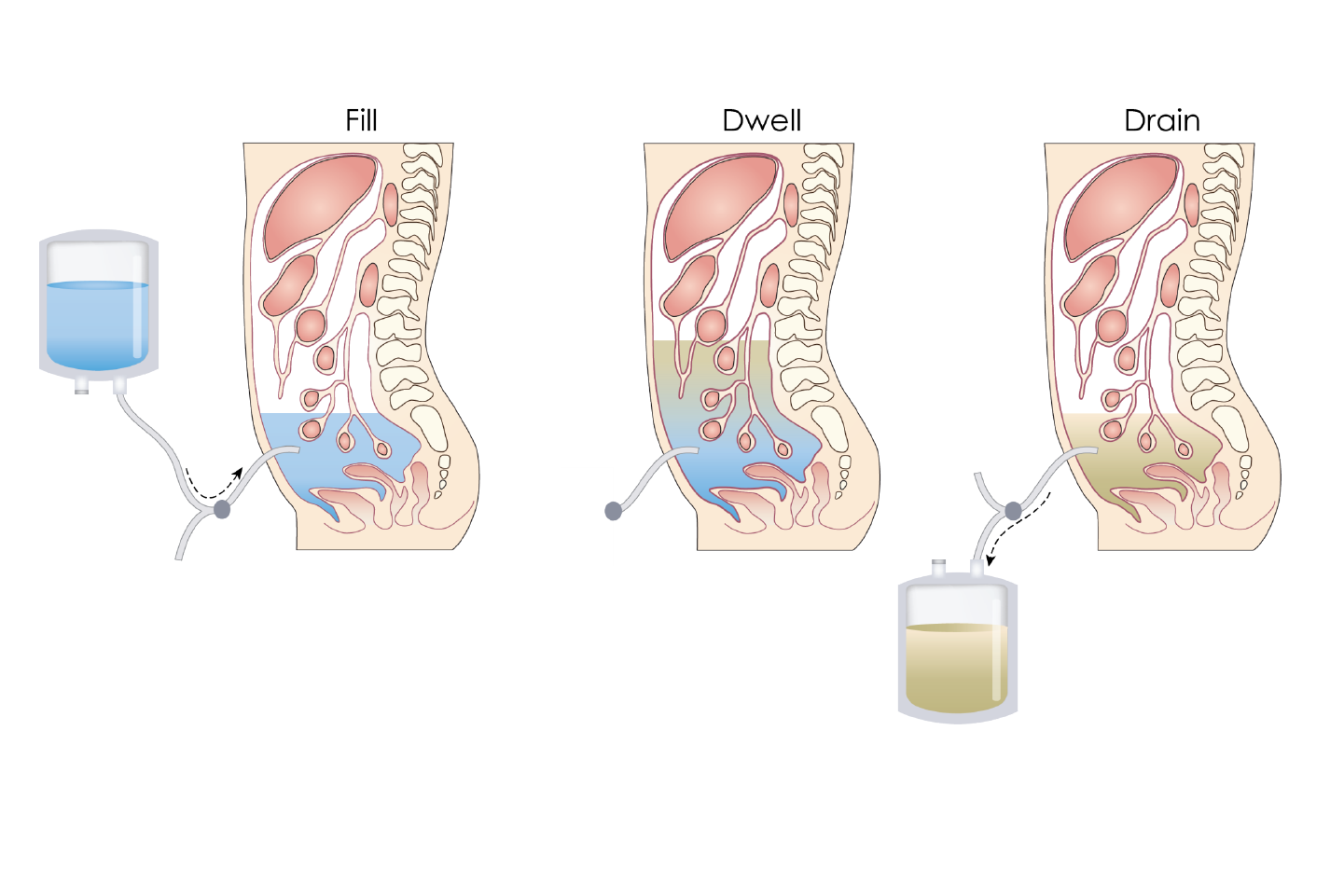
Incremental Peritoneal Dialysis
1CE contact hour
Treatment of Hyperphosphatemia and MBD
1CE contact hour

Treatment of Hyperphosphatemia and MBD

1-hour

Free

Pharmacological Intervention and Outcomes in Hyperphosphatemia and MBD (Mineral Bone Disease)

More information
Understanding and Applying the PET
1.5CE contact hour
Fluid Management in Kidney Disease
1CE contact hour
PD Essentials
1CE contact hour

1.5 Hours

Free

PD Modeling for the PD Prescription
1.5CE contact hour

Product Training

Tidal Therapy in Peritoneal Dialysis
1CE contact hour

Home Therapies

Tidal PD with the Liberty Select Cycler

Tidal PD with the Liberty Select Cycler

4 min

Free

This short video provides an overview of Tidal PD therapy and the steps for programming Tidal PD settings on the Liberty Select Cycler. PLEASE NOTE: CE credits not available for viewing this recorded video.

More information
Understanding and Applying the PET
1.5CE contact hour
PD Modeling for the PD Prescription
1.5CE contact hour
Urgent Start Peritoneal Dialysis
1CE contact hour
Tidal Therapy in Peritoneal Dialysis
1CE contact hour
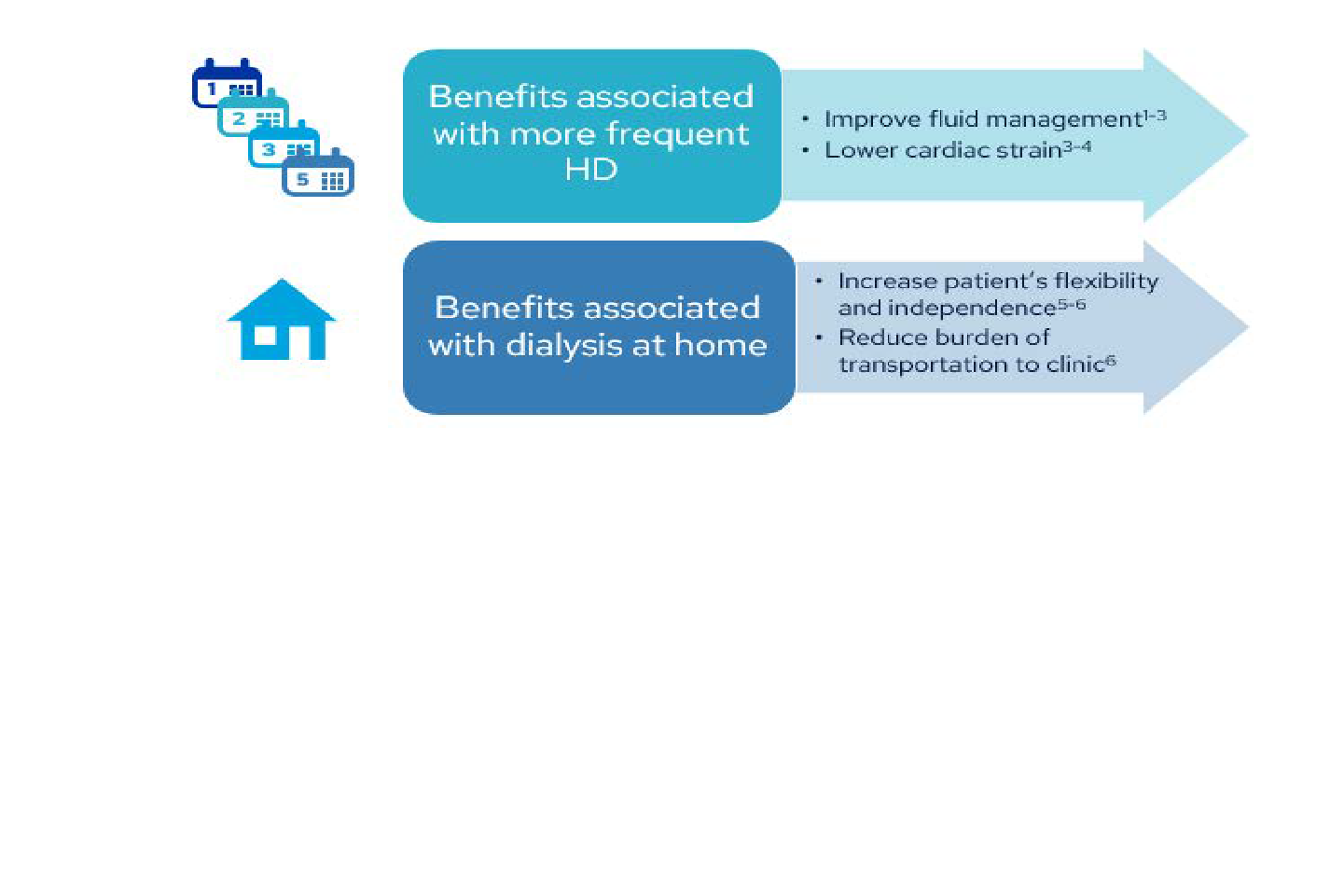
Home Hemodialysis: The Basics
1CE contact hour
Incremental Peritoneal Dialysis
1CE contact hour
PD Essentials
1CE contact hour

1.5 Hours

Free

In-Center Dialysis

Critical Care

Tailoring Kidney Replacement Therapy to Individual Needs: A Comprehensive Approach (Recorded)

Tailoring Kidney Replacement Therapy to Individual Needs: A Comprehensive Approach (Recorded)

1-Hour

Free

In this recorded session, Dr. McMahon will delve into the criteria for selecting patients for: Continuous Kidney Replacement Therapy (CKRT), Prolonged Intermittent Kidney Replacement Therapy (PIKRT), and Intermittent Hemodialysis (IHD). You will gain valuable insights into how the selection process balances both art and science, combining clinical expertise with personalized care to optimize patient outcomes. PLEASE NOTE: CE credits not available for viewing this recorded webinar.

More information
Antibiotic and Drug Dosing Along the Continuum of Kidney Replacement Therapy (Recorded)

Antibiotic and Drug Dosing Along the Continuum of Kidney Replacement Therapy (Recorded)

1-Hour

Free

Whether you’re a nurse, physician, pharmacist or other health care provider involved in the care of patients requiring kidney replacement therapy, this recorded webinar will help you improve your clinical practice by learning how to manage antibiotic dosing in critically ill patients on CKRT by gaining practical knowledge on optimizing treatment to prevent underdosing or toxicity. PLEASE NOTE: CE credits not available for viewing this recorded webinar.

More information
Quality Improvement in Continuous Kidney Replacement Therapy

Quality Improvement in Continuous Kidney Replacement Therapy

1-Hour

Free

Join us for an insightful and engaging webinar focused on improving the quality of care in continuous kidney replacement therapy. This session will explore innovative strategies, evidence-based practices, and collaborative approaches that can enhance patient outcomes and optimize treatment efficacy in kidney care.

More information
Management and Troubleshooting of ECMO Complications

Management and Troubleshooting of ECMO Complications

1-Hour

Free

This On-Demand lecture will discuss the spectrum of possible complications on ECMO, their recognition and management as well as strategies to enhance safety. Bleeding, clotting, hypoxia, and mechanical and device related complications as well as troubleshooting are discussed. PLEASE NOTE: CE credits not available for viewing this recorded webinar.

More information
Hemocompatibility in ECMO Systems: Technical Considerations, Monitoring, and Management

Hemocompatibility in ECMO Systems: Technical Considerations, Monitoring, and Management

1-Hour

Free

Key technical considerations include selecting biocompatible materials for ECMO components and optimizing flow dynamics to reduce shear stress. Monitoring involves regularly checking coagulation markers, platelet counts, and haemolysis indicators to detect and manage thrombotic or bleeding events. Observing circuit components, flow- and pressure changes during treatment and if necessary, replacing components can avoid complications and improve device performance.

More information